We're currently upgrading our system, checkout will be back soon.

U
By Katy Samuels


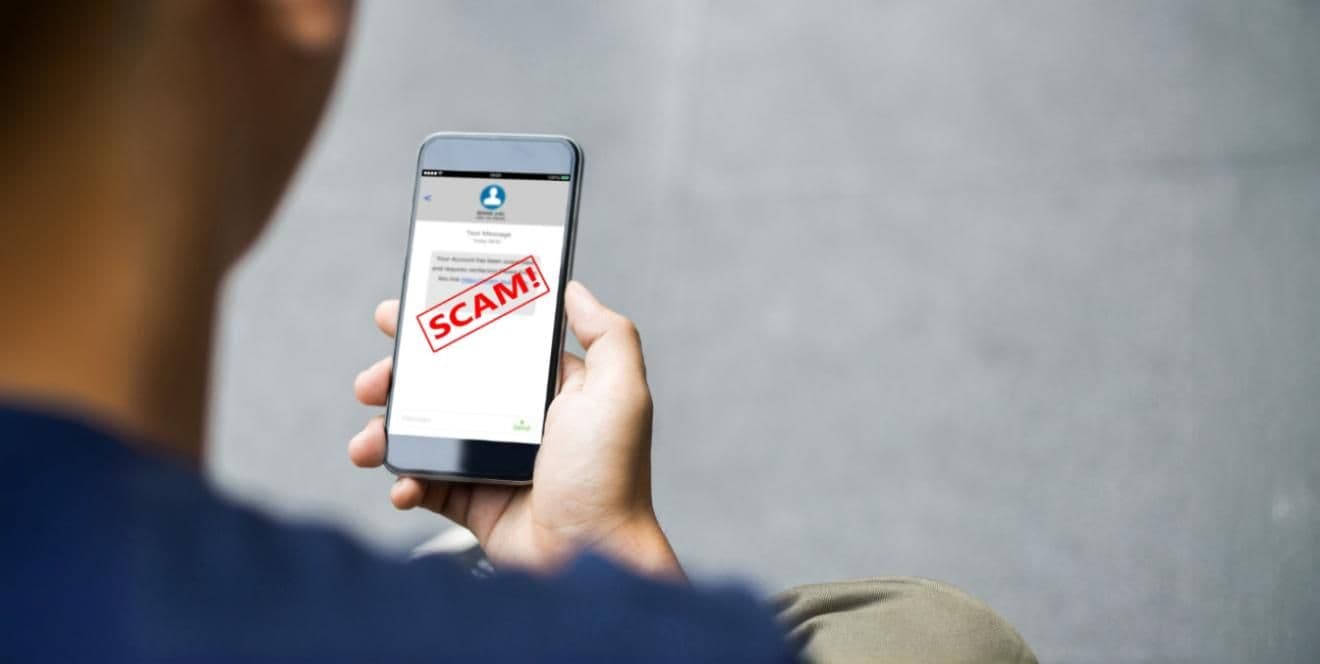
Let's talk about something that's probably crossed your mind at least once lately: keeping your personal information safe online. These days, we're practically living in the digital world, whether we're shopping, catching up with friends, or checking our bank accounts. It's incredibly convenient, but it also means our personal data is out there more than ever before.
Here's the thing: identity theft isn't just something that happens to other people. It can happen to anyone, and honestly, the numbers are pretty eye-opening. About one in three Americans has dealt with identity theft at some point. That's a lot of people who've had to deal with the stress and hassle of someone else using their information without permission.
Identity theft is basically when someone grabs your personal details like your Social Security number, credit card info, or even your medical records and uses them for their own benefit. Maybe they open a credit card in your name, file a fraudulent tax return, or worse. It's not just annoying; it can seriously mess with your finances and take forever to sort out.
And if you have kids, there's another layer to worry about. Their clean credit histories make them targets, too, believe it or not.
The ways thieves get your information keep evolving, but some methods keep showing up again and again.
You've probably heard about those massive data breaches where companies lose millions of customer records. When that happens, your information can end up on the dark web where criminals buy and sell it. In just the first few months of 2024, over 36 billion data records were exposed. That's not a typo.
Then there are phishing scams, those sketchy emails or texts pretending to be from your bank or some other company you trust. They're trying to trick you into handing over your login details or clicking on dangerous links.
Your devices can pick up malware that records everything you type or gives hackers access to your computer. Public Wi-Fi networks, as handy as they are at coffee shops or airports, often aren't secure enough to protect your data from someone who knows what they're doing. And yes, old fashioned theft still happens too. Someone can still steal your mail or dig through your trash for documents with your information on them.

The good news is you're not helpless here. There are practical things you can do right now to protect yourself.
Start with your passwords. I know, I know, everyone talks about passwords. But using the same simple password everywhere is like leaving your front door unlocked. Create unique passwords for each account, make them complex, and turn on two factor authentication whenever it's available. That second step, like getting a code on your phone, makes a huge difference.
Be skeptical when you get unexpected emails or texts, even if they look legitimate. If something feels off, it probably is. Go directly to the company's website instead of clicking links in messages.
Keep your devices updated. Those software updates aren't just about new features; they patch security holes that criminals try to exploit. And speaking of devices, use antivirus software and actually keep it running.
Check your bank and credit card statements regularly. The faster you catch something weird, the easier it is to fix. Many banks will send you alerts for unusual activity if you set that up.
Think twice before posting personal details on social media. Your birthday, where you were born, your first pet's name... these are often the answers to security questions on your accounts.
Shred documents before throwing them away. A cheap shredder can save you a lot of trouble down the road.
And if you use public Wi-Fi, be careful. A VPN can encrypt your connection and keep your activity private, which is especially important if you're doing anything involving passwords or financial information.
Here's where things get interesting. Doing all these things yourself takes time and effort, and honestly, it's easy to let some of it slide when life gets busy. That's why having help makes sense.
Every single one of their plans comes with comprehensive digital security protection powered by Aura, and they don't charge extra for it. You're already getting it included.
This isn't just basic stuff either. You get monitoring of the dark web for your personal information. If your Social Security number or other sensitive data shows up where it shouldn't, you'll know about it right away. There's credit monitoring across all three major credit bureaus, so you'll catch suspicious activity fast.
The protection includes a VPN to encrypt your internet connection and antivirus software for your devices. Remember those public Wi-Fi concerns? The VPN handles that. Worried about malware? The antivirus takes care of it.
There's also spam call blocking, which is just nice to have. Those robocalls are not only annoying but sometimes they're part of scam attempts.
If you have kids, the parental controls help you manage what they can access online and how much time they spend on devices. It's about keeping them safer in a digital world that can be pretty overwhelming for young people.
And here's something significant: up to $5 million in identity theft insurance. If the worst does happen, you have substantial coverage for the costs of recovering your identity.
For families, the value gets even better. You can protect up to 10 adults and unlimited children under one plan. Instead of paying for separate security services for everyone in your household, it's all included.
What makes this approach different is that VLE Mobile isn't treating security as an add-on or upsell. They've built it into what they offer from the ground up. You're getting mobile service on networks that include AT&T, Verizon, and T-Mobile coverage, international roaming in over 80 countries, and this complete digital protection package, all starting at $25 a month with no contract.
Compare that to other carriers where you might pay extra for minimal security features, or have to purchase separate identity theft protection that could easily cost $20 to $30 a month on its own. The math adds up quickly, especially for families.
Protecting your digital life doesn't have to be complicated or expensive. The threats are real, but so are the solutions.
If you're looking for mobile service anyway, or thinking about switching carriers, it's worth considering what you're actually getting for your money.
In a world where 60% of credit card holders have experienced fraud and data breaches keep making headlines, having comprehensive protection isn't paranoia. It's just smart. And when that protection comes included with a service you need anyway, at prices that compete with bare bones plans elsewhere, it starts to look like a pretty straightforward choice.
Your personal information is valuable. Protecting it should be straightforward too.
Stay informed about mobile technology and digital security.


Stay updated with our latest news and offers!