We're currently upgrading our system, checkout will be back soon.

U
By Thomas Franco


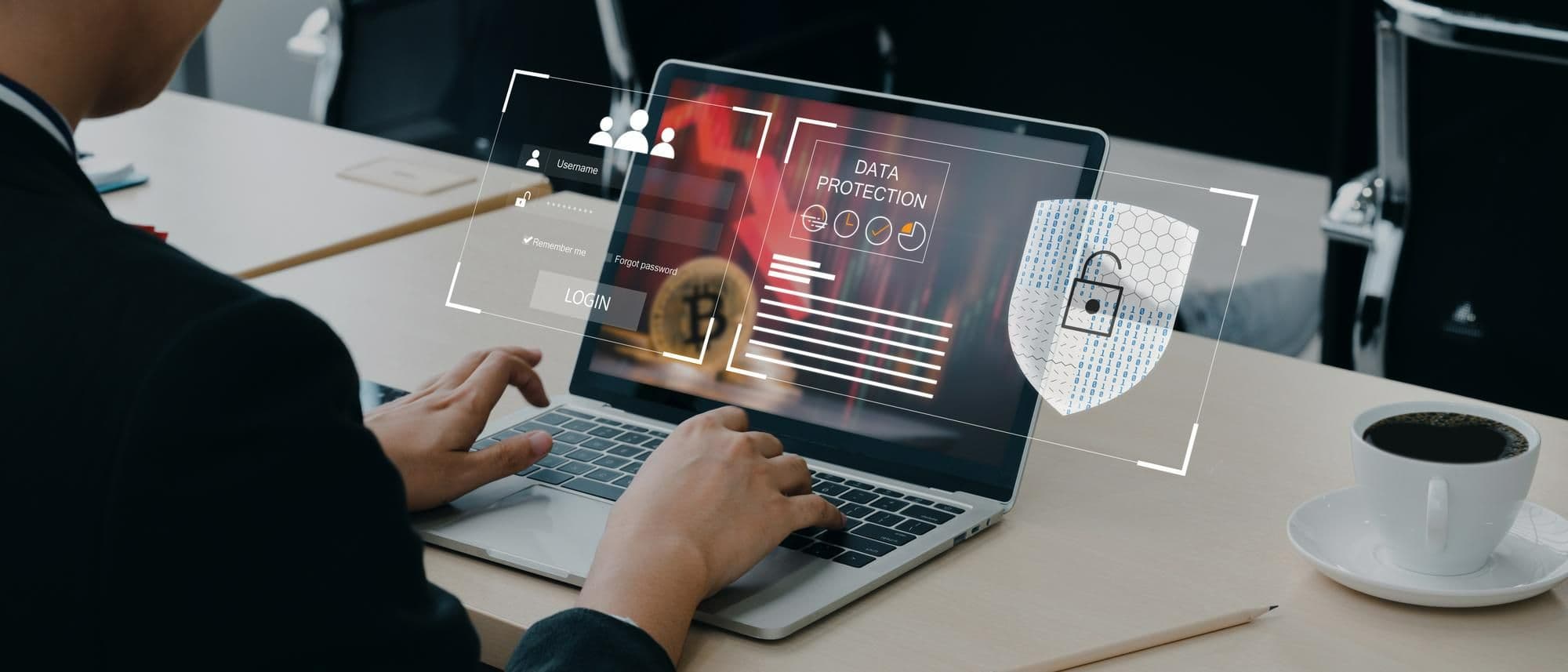
Every day, we unlock our phones dozens of times, scroll through social media, shop online, pay bills, and chat with friends. These simple actions might seem harmless, but each one leaves behind a trail of personal information. Your location, your shopping habits, your conversations, even the time you wake up in the morning. All of this data paints a detailed picture of who you are, and in today's connected world, that picture is valuable to many people and companies you've never met.
So which best describes data privacy? At its core, data privacy is your right to control who sees your personal information, how it's used, and where it goes. Think of it like your home. You get to decide who comes in, what rooms they can enter, and what they can touch. Data privacy works the same way, except instead of your living room, we're talking about your digital life.
This includes everything from basic details like your name and address to more sensitive information like your social security number, credit card details, medical records, and browsing history.
But here's where it gets tricky. Data privacy isn't just about keeping secrets. It's about having control and transparency. When you sign up for a new app or service, you're often agreeing to share certain information. Data privacy means understanding what you're sharing, why it's being collected, and having the power to say no if you're not comfortable.
The concept has become increasingly complex as our lives have moved online.
Every app you download, every website you visit, and every smart device in your home collects some form of data about you.
The impact of data privacy issues touches everyone, often in ways we don't immediately recognize. Let me paint you a picture of what can happen when your data isn't properly protected.
Imagine waking up one morning to find that someone has opened three credit cards in your name. Or discovering that your bank account has been drained because a hacker got hold of your login credentials from a data breach you didn't even know about. These aren't rare occurrences. According to recent statistics, 33% of Americans have been victims of identity theft, and 61% have had their personal data exposed in a breach.
But the effects go beyond financial loss. Poor data privacy can impact your reputation, your relationships, and your peace of mind. Have you ever had a conversation with someone about buying a new car, only to see car advertisements following you around the internet for weeks? That's your data being tracked and sold to advertisers. While it might seem harmless, it shows how companies are constantly watching and profiling your behavior.
For families, the risks multiply. Children and teenagers are particularly vulnerable online. They might not understand the long term consequences of sharing personal information on social media or downloading apps that harvest their data. Elderly family members can fall victim to sophisticated scams that exploit leaked personal information to appear legitimate.
The psychological toll shouldn't be underestimated either. Knowing that your information could be exposed at any moment creates a constant low level anxiety. You second guess every online purchase, worry about every email you open, and wonder if that customer service call is really from your bank or a clever imposter.

Understanding which best describes data privacy helps us see why protecting it matters so much.
First and foremost, there's your financial security. Your banking details, credit card numbers, and social security number are the keys to your financial life. Criminals who obtain this information can drain accounts, rack up debt in your name, and damage your credit score. The average financial loss from identity theft can reach thousands of dollars, and victims often spend months or even years cleaning up the mess.
Beyond money, there's your personal safety. When hackers access databases containing home addresses, phone numbers, and daily routines, they create opportunities for real world crimes like stalking, burglary, or even physical harm. Location data from your phone can reveal where you live, where you work, and where your children go to school.
Your professional reputation is also at stake. Imagine applying for your dream job only to have the hiring manager find embarrassing photos or posts that were shared without your permission, or discover that your identity was used in criminal activities. Data breaches and privacy violations can haunt you for years, affecting job prospects, housing applications, and even personal relationships.
There's also the principle of autonomy. You should have the right to decide what happens with information about your life. When companies collect and sell your data without clear consent, they're making decisions about your information that should be yours to make. This lack of control is particularly concerning when you consider how data can be used to manipulate behavior, target vulnerable individuals, or discriminate based on personal characteristics.
So what can you do about it? The good news is that protecting your data privacy doesn't require becoming a tech expert or living off the grid. It's about making informed choices and using the right tools.
Use strong, unique passwords for every account, and change them regularly. Enable two factor authentication whenever possible. This adds an extra layer of security that makes it much harder for someone to access your accounts even if they get your password.
Before posting something on social media or filling out an online form, ask yourself if you're comfortable with that information becoming public. Once something is online, it's nearly impossible to completely erase it. Think twice before sharing photos that reveal your location, posting about being away from home, or providing unnecessary personal details.
Those annoying update notifications aren't just about new features. They often include critical security patches that protect against newly discovered vulnerabilities. Hackers actively look for devices running outdated software because they're easier to exploit.
Catching suspicious activity early can prevent minor issues from becoming major disasters. Many banks and credit card companies offer free monitoring services that alert you to unusual transactions.
Public networks at coffee shops, airports, and hotels are notoriously insecure. A VPN encrypts your internet connection, making it much harder for anyone to intercept your data.
Phishing scams have become incredibly sophisticated. If you receive an email, text, or call asking for personal information, verify the source independently before responding. Don't click links in unexpected messages, even if they appear to come from companies you trust.
Look for companies that take data protection seriously, offer transparent privacy policies, and give you control over your information. The right service provider can make a significant difference in your overall security posture.
This is where VLE Mobile's approach becomes particularly relevant.
VLE Mobile bundles comprehensive identity theft protection through Aura into every plan. This isn't an afterthought or an expensive add on. It's built right in because they understand that mobile devices are often the weakest link in personal security. Your phone knows where you go, who you talk to, what you browse, and how you spend your money. Protecting that device and the data flowing through it should be standard, not optional.
Depending on which plan you choose, you get either the Complete Individual or Complete Family protection plan from Aura. These aren't basic monitoring services that just send you alerts after something bad happens. They include proactive features like dark web monitoring that searches for your personal information in places it shouldn't be, credit monitoring across all three major bureaus, and financial transaction monitoring that catches suspicious activity quickly.
The family plans are particularly thoughtful. They cover up to 10 adults and unlimited children, recognizing that data privacy is a family concern. Kids get their own protections including social security number monitoring, safe gaming features that protect against online predators, and content filtering. Parents gain peace of mind knowing their entire family is covered under one comprehensive plan.
What makes VLE Mobile's approach practical is that they've integrated security features that work automatically in the background. The VPN protects your connection, the password manager helps you maintain strong unique passwords without having to remember them all, and
the spam call and text protection blocks the constant barrage of scam attempts that plague mobile users.
The digital vault feature gives you a secure place to store sensitive documents, from insurance cards to passports. This is particularly useful when you're traveling or need to access important documents quickly without carrying physical copies that could be lost or stolen.
Perhaps most importantly, if something does go wrong, you're not on your own.
This isn't just about money but having expert support when you need it most.
They understand that data privacy protection shouldn't be a luxury item. By bundling these services with mobile plans that already offer good coverage on the AT&T network, plus international roaming options, they've created a package that makes sense for people who want both connectivity and security without juggling multiple subscriptions and bills.
The reality is that data privacy protection works best when it's convenient. If security measures are too complicated or expensive, people simply don't use them. VLE Mobile has removed those barriers by making comprehensive protection part of your everyday mobile service.
Which best describes data privacy? It's your right to control your personal information in an increasingly connected world. It's protection against financial loss, identity theft, and the countless ways your data can be misused. It's peace of mind knowing that you've taken reasonable steps to secure your digital life.
The challenge of data privacy won't disappear. If anything, it will become more complex as we add more smart devices to our homes, conduct more of our lives online, and share more information across more platforms. But that doesn't mean you're powerless.
By understanding the risks, making informed choices, and using services that prioritize your privacy, you can take meaningful control over your personal information. It's not about achieving perfect security, which is probably impossible, but about being thoughtful, vigilant, and proactive.
Your data tells the story of your life. Make sure you're the one deciding who gets to read it.
Stay informed about mobile technology and digital security.


Stay updated with our latest news and offers!