We're currently upgrading our system, checkout will be back soon.

U
By Thomas Franco


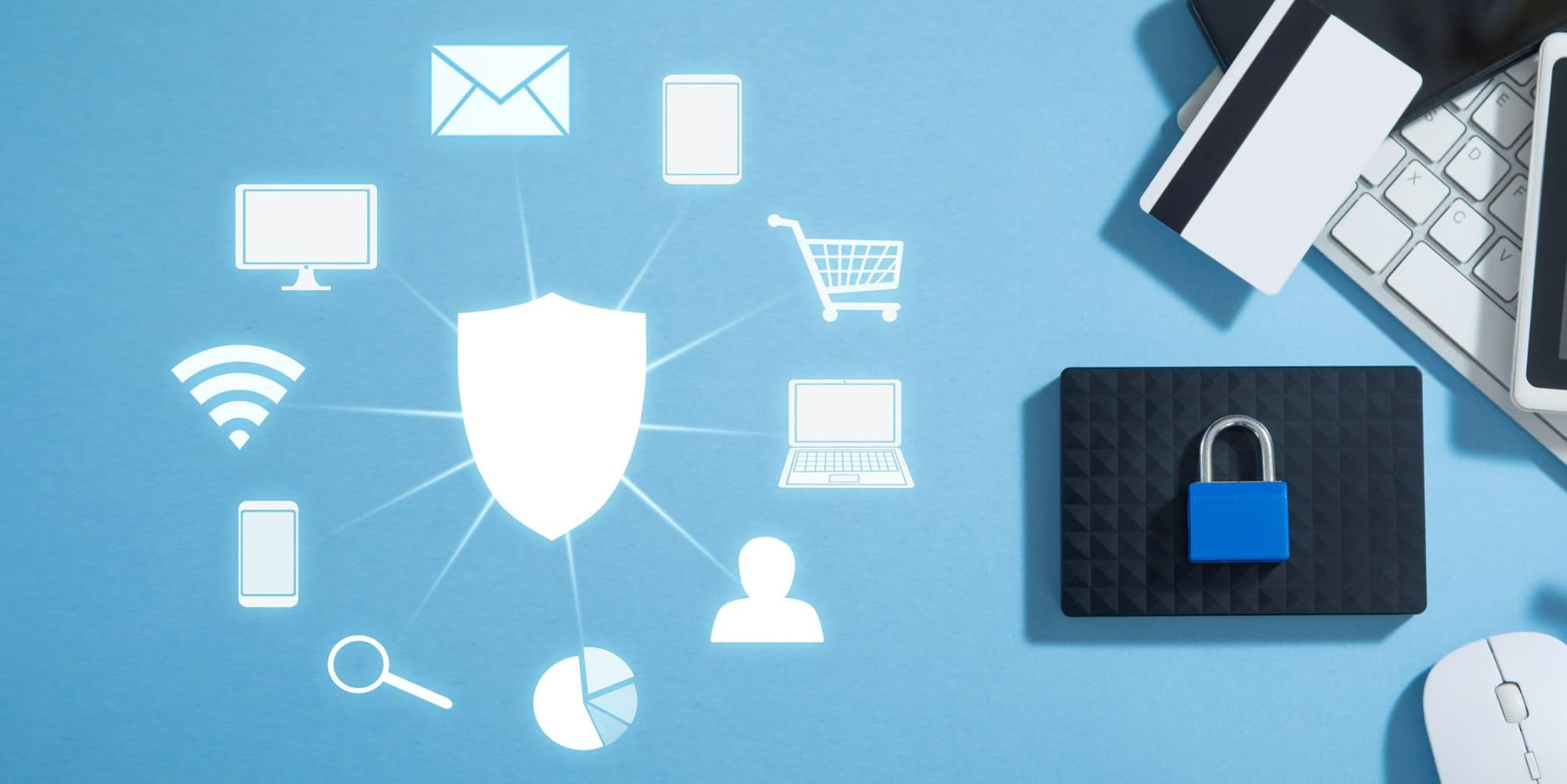
When you hear someone talk about staying safe online, you might hear them mention cybersecurity one day and digital security the next. Are they the same thing? Not quite. While these terms get tossed around interchangeably in everyday conversations, they actually describe two different but related approaches to protecting yourself in our increasingly connected world. Understanding the difference between cybersecurity and digital security can help you make better decisions about protecting your personal information, your family, and your money.
Think of cybersecurity as the high-tech fortress protecting your digital infrastructure. It focuses on defending computer systems, networks, and data from cyber attacks like hacking, malware, phishing scams, and ransomware. When companies hire cybersecurity professionals, they're looking for technical experts who can set up firewalls, monitor network traffic, detect intrusions, and respond quickly when something goes wrong.
Cybersecurity is primarily technical and IT-driven. It involves sophisticated tools like encryption software, penetration testing, intrusion detection systems, and security information management platforms.
These professionals work behind the scenes to keep networks secure, patch vulnerabilities, and maintain the digital infrastructure that businesses and organizations rely on every day.
Digital security takes a broader view. While it includes cybersecurity, it extends beyond just technical defenses to encompass personal digital safety, online privacy, secure transactions, and digital rights management. Digital security is about protecting your entire digital life, not just the systems and networks you use. It includes safeguarding your online identity, preventing identity theft, maintaining your privacy across social media, securing your personal devices, and even managing how your information is shared and used by companies.
Where cybersecurity professionals focus on protecting organizational infrastructure, digital security touches on the human side of online safety. It includes tools like password managers, VPN services, antivirus software, biometric security on your phone, and even practices like regularly checking your credit report or being cautious about what you share online. Digital security recognizes that in today's world, the line between our physical lives and digital lives has become blurry.

The difference between cybersecurity and digital security matters more than you might think, especially when it comes to the real world consequences people face every day. In 2024, Americans reported losing over $12.5 billion to fraud and identity theft, marking a 25% increase from the previous year. More than 1.1 million identity theft reports were filed with the Federal Trade Commission, and data breaches exposed billions of records belonging to everyday people just trying to live their lives online.
Here's what makes this personal: even if a company has excellent cybersecurity protecting its systems, you can still become a victim of identity theft or fraud if you don't practice good digital security. Your bank might have the best firewalls and encryption in the world, but if you use a weak password, fall for a phishing email, or connect to public WiFi without protection, criminals can still access your accounts.
Consider how this plays out in everyday life. You work remotely and connect to your company's network from home. Your employer has invested heavily in cybersecurity, protecting their servers and data. But if your home WiFi isn't secure, if you're clicking on suspicious links, or if your devices don't have proper antivirus protection, you've created vulnerabilities that bypass all those corporate defenses. Digital security is about protecting yourself in all the spaces where your digital life exists, from your smartphone to your smart home devices.
Understanding the distinction between cybersecurity and digital security is critical because it helps you take a comprehensive approach to your online safety. Many people think that as long as they have antivirus software or their bank has good security, they're protected.
The statistics paint a sobering picture. Credit card fraud was the most common type of identity theft in 2024, with over 449,000 reports. But it's not just about stolen credit cards anymore. Criminals are stealing identities to file fraudulent tax returns, access medical services, open utility accounts, and even commit crimes under someone else's name. Every 4.9 seconds, someone in the United States becomes a victim of identity theft. The financial impact alone is staggering, with median losses of around $500 per victim, though some people lose thousands or even tens of thousands of dollars.
Beyond the financial costs, identity theft creates emotional stress and consumes countless hours to resolve. About 60% of victims report that it takes several weeks just to regain control of their identity, while others spend months untangling the mess. During that time, they might be denied credit, face collections on debts they never incurred, or deal with the anxiety of not knowing what else might have been compromised.
So what's the solution?
Start with the basics: use strong, unique passwords for every account and store them in a password manager. Enable two factor authentication wherever possible. Keep your software and devices updated with the latest security patches. Be skeptical of unsolicited emails, texts, or calls asking for personal information. Use a VPN when connecting to public WiFi networks. Regularly monitor your credit reports and financial accounts for suspicious activity.
But here's the challenge: managing all these different security measures can feel overwhelming. You might need one app for your password manager, another for your VPN, a third for credit monitoring, and a fourth for antivirus protection. Each one requires its own login, its own subscription, and its own learning curve. Many people start with good intentions but eventually let things slide because it's just too complicated to maintain.
This is where integrated solutions become valuable. Instead of juggling multiple security tools and services, having everything in one place makes it easier to stay protected. When digital security tools work together seamlessly, you're more likely to actually use them and keep them updated.
At VLE Mobile, we've thought carefully about this challenge of maintaining comprehensive digital security without the complexity and cost of multiple separate services. That's why every VLE Mobile plan comes bundled with professional digital security protection powered by Aura, one of the industry's leading digital security platforms.
When you choose a single line plan with VLE Mobile, you automatically receive the Aura Complete Individual Protection Plan. This comprehensive coverage includes credit monitoring across all three major bureaus, financial transaction monitoring, identity theft insurance up to $5 million, bank fraud monitoring, dark web monitoring, VPN service, password manager, antivirus protection, and 24/7 support with expert fraud remediation. That's the kind of all in one digital security solution that would typically cost you $20 per month or more as a standalone service.
For families, the value becomes even greater. When you choose two or more lines, VLE Mobile includes the Aura Complete Family Protection Plan at no additional cost. This plan covers up to 10 adults and unlimited children, with each enrolled adult receiving their own $5 million identity theft insurance policy and private portal. The family plan adds powerful features like parental controls, safe gaming protection, cyberbullying alerts, and child Social Security number monitoring. Single line customers can also upgrade to the Complete Family plan for just $20 per month, which is significantly less than purchasing these services separately.
But VLE Mobile isn't just about digital security. We also provide quality mobile connectivity through the AT&T network with no contract requirements. Our standard plans include unlimited talk and text, data options ranging from 1GB to unlimited, and free roaming in Canada and Mexico. For customers with dual SIM capable phones, our multinetwork plans add international roaming in 80 countries and unlimited data carryover, giving you flexibility and value that's hard to find elsewhere.
The thinking behind VLE Mobile is straightforward: in today's world, your mobile service should do more than just connect calls and provide data. It should actively help protect you and your family from the digital threats we all face. By bundling premium digital security protection with reliable mobile service at competitive prices, we're making it easier and more affordable for people to stay both connected and protected.
Coming back to our original question: what is the difference between cybersecurity and digital security?
Both are essential, and both work together to create comprehensive protection.
The good news is that you don't have to become a security expert or manage a dozen different services to stay protected. With the right approach and the right tools working together, you can significantly reduce your risk of becoming another statistic in the growing numbers of identity theft and fraud victims. Whether you choose VLE Mobile or another solution, the important thing is to take digital security seriously and make it part of your everyday routine. Your future self will thank you for the peace of mind that comes with knowing you're protected.
Stay informed about mobile technology and digital security.


Stay updated with our latest news and offers!