We're currently upgrading our system, checkout will be back soon.

U
By Katy Samuels


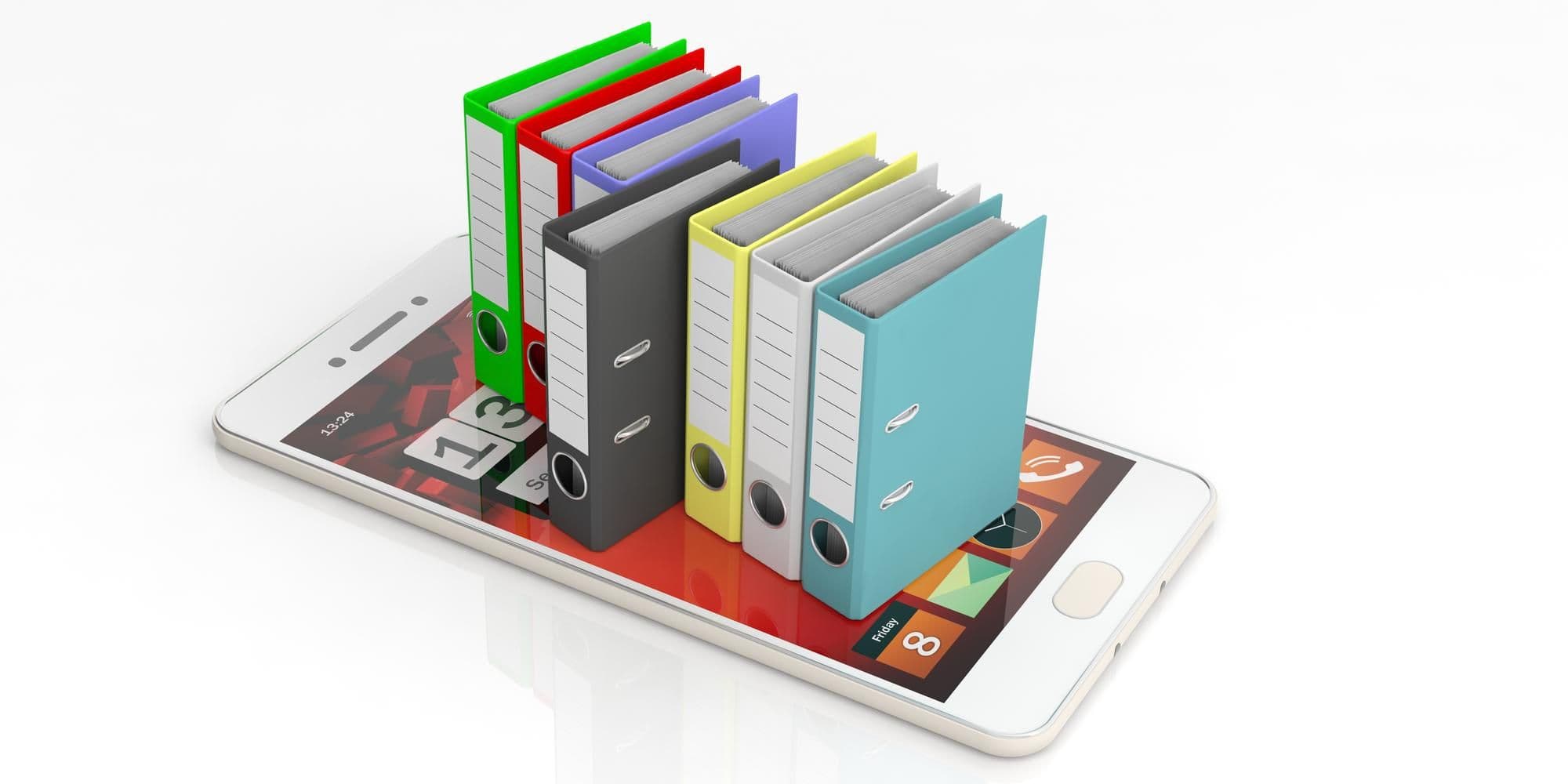
Have you ever wondered why financial records are discussed so frequently? Whether you are starting a career, managing a household, or running a business, understanding these documents and why you need to protect them is vital. With the digital transition of banking and commerce, our financial information is more accessible than ever. While this offers convenience, it also requires us to be extra careful about security.
In this article, we will explore what financial records are, look at five common examples you interact with regularly, and discuss why protecting this information is a priority. We will also touch on how modern solutions, such as VLE Mobile, are helping people stay connected while keeping their financial data secure.
Think of them as the paper trail (or increasingly, the digital trail) of your financial history. These records include everything from bank statements to tax returns, serving as proof of your transactions and activities.
These documents aren't just bureaucratic paperwork. They tell the story of your financial health, help you plan for the future, and protect you if questions arise.
Whether you are applying for a loan, filing taxes, or auditing your monthly budget, your financial records are essential tools.
Here are five examples of financial records that most people deal with regularly:
Your bank statement is likely the record you view most often. It details all deposits, withdrawals, and transactions in your checking or savings account over a specific period. Beyond tracking spending, bank statements help you spot unusual activity that might indicate fraud. They are also crucial when applying for loans or proving income for a rental application. Since most banks now offer digital statements via apps, securing your mobile device is just as important as locking a filing cabinet.
Similar to bank statements, credit card statements detail every purchase, payment, and fee associated with your account. These records are vital for budgeting, disputing errors, and building credit history. With credit card fraud becoming increasingly common, regularly reviewing these statements is one of your best defenses against unauthorized charges.
Your tax returns provide a comprehensive snapshot of your financial year, including income, deductions, and tax payments. Supporting documents, such as W-2s, 1099s, and receipts, must also be retained. Tax documents are among the most sensitive records because they contain a wealth of personal data, including your Social Security number. Experts recommend keeping tax records for at least seven years, meaning you are responsible for storing years of highly sensitive data.
If you have a 401(k), IRA, or brokerage account, these statements are critical. They show contributions, investment performance, and account balances. These records are essential for retirement planning and calculating capital gains. As more people manage investments through mobile apps, a security breach here could potentially expose your life savings to criminals.
Whether it is a mortgage, car loan, or student loan, original loan documents and payment histories are critical records. They outline terms like interest rates and payment schedules. Keeping accurate records of your payments protects you during disputes regarding what you owe. Like other records, these are often stored in online portals, making digital security paramount.

The impact of financial records extends beyond knowing your bank balance; these documents influence major life decisions. When you want to buy a house or rent an apartment, lenders and landlords scrutinize these records to determine risk.
Conversely, when financial records fall into the wrong hands, the consequences are devastating.
When criminals access your records, they can open credit cards in your name, file fraudulent tax returns, or drain accounts. Beyond the financial loss, the emotional toll is significant, with victims reporting high levels of stress and anxiety while spending months or years trying to restore their reputation.
The shift to digital record-keeping has created new vulnerabilities. Every time you check a balance on public WiFi or store documents in the cloud, you potentially expose sensitive information.
Consider what criminals can do with the examples listed above: bank statements reveal spending patterns; credit card info gives purchasing power; tax returns provide Social Security numbers; and loan documents contain enough data to open new accounts in your name. Protecting these records is about maintaining control over your personal privacy and your financial future.
To protect your financial records in a digital world, you can take several practical steps:
VLE Mobile has taken a unique approach to these security concerns by bundling comprehensive identity protection directly into their mobile plans. Recognizing that our phones are the primary gateway to our financial lives, they have partnered with Aura, a leading digital security platform, to make safety a standard feature.
Every VLE Mobile customer receives access to features that actively monitor for threats. This includes dark web monitoring, which scans the internet to see if your stolen credentials are being sold. If your Social Security number or banking info appears in a breach, you receive an immediate alert.
The service includes three-bureau credit monitoring (Experian, Equifax, and TransUnion). You will know instantly if someone tries to open a new account in your name. Additionally, the service watches for unusual activity in your bank and investment accounts, helping you catch fraud before it drains your savings.
VLE Mobile includes a VPN (Virtual Private Network) and antivirus protection for unlimited devices. The VPN encrypts your internet connection, making it safe to check financial accounts even when using coffee shop or airport WiFi. They also provide a password manager to help you maintain strong credentials and a digital vault for securely storing sensitive documents.
All this security runs on the AT&T network (with multi-network options available), ensuring reliable coverage. Plans are competitively priced and include up to $5 million in identity theft insurance. If you do become a victim, you have access to expert fraud remediation to help resolve the issue.
Understanding the five examples of financial records is the first step toward financial health. The greater challenge is protecting these records from cybercrime. Your bank statements, tax documents, and investment records tell the story of your life, and keeping that story secure must be a top priority.
Be proactive today so your future self doesn't have to scramble to fix the damage tomorrow.
Stay informed about mobile technology and digital security.


Stay updated with our latest news and offers!