We're currently upgrading our system, checkout will be back soon.

U
By Thomas Franco


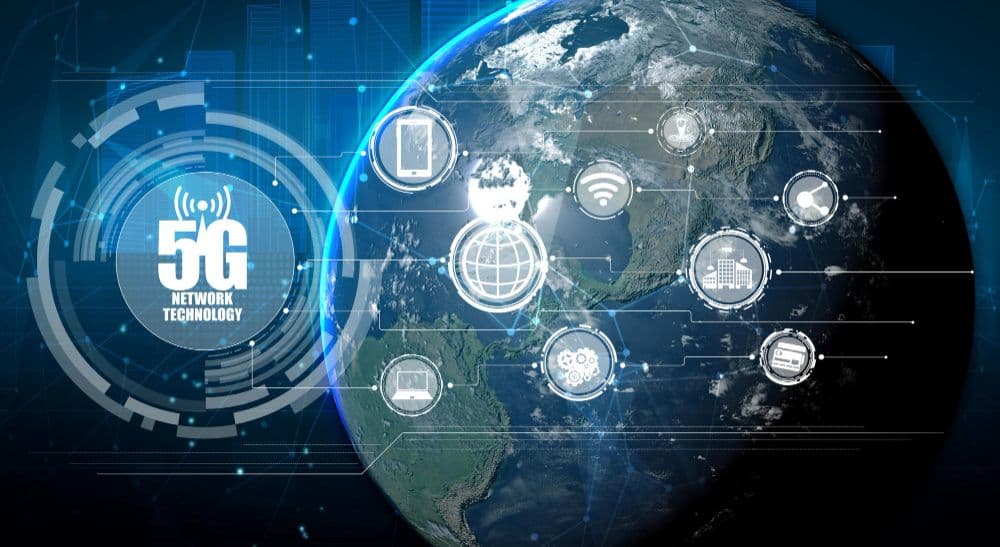
It seems like 5G is everywhere, promising incredible speeds and a whole new world of connectivity. As someone who navigates the digital landscape daily, perhaps managing family schedules, working remotely, or simply staying connected with loved ones, understanding 5G isn't just about tech trends. It's about how we live and interact with the world around us.
Think of 5G as the next generation of wireless technology, building upon its predecessors like 4G LTE. The "G" simply stands for "generation." Each new generation brings significant advancements in speed, capacity, and responsiveness.
It's not just about faster downloads. It's about creating a foundation for an entirely new era of interconnected experiences.
At its core, 5G utilizes different radio frequencies to transmit data. These frequencies fall into a few categories:
The beauty of 5G lies in its ability to intelligently switch between these bands, optimizing your connection for the best possible experience.
Now that we have a grasp of what 5G is, let's explore why it's so exciting and how it can genuinely improve your digital life.
This is probably the most talked-about benefit, and for good reason.
Imagine downloading a full-length HD movie in a matter of seconds, or uploading large video files for work or school almost instantaneously. This means less waiting, more doing, and a smoother experience all around, whether you're streaming your favorite shows, video chatting with family, or managing your smart home devices.
"Latency" might sound like a technical term, but it simply refers to the delay between when you send a signal and when it's received. Think about how quickly a webpage loads after you click a link. With 5G, latency is dramatically reduced, often to single-digit milliseconds. This has profound implications for a variety of applications:
Real Time Gaming: For avid gamers, low latency means a more responsive and immersive experience, minimizing lag that can make or break a game.
Augmented Reality (AR) and Virtual Reality (VR): These technologies require near-instantaneous feedback to feel truly real. 5G's low latency makes AR and VR applications much more practical and enjoyable, from educational experiences for your children to interactive shopping.
Remote Work and Collaboration: Smoother video conferences and real-time document collaboration become even more seamless, making remote work more efficient and less frustrating.
In our increasingly connected world, with smart homes, wearables, and countless other internet of things (IoT) devices, this capacity is crucial. It means fewer dropped connections and a more stable experience, even in crowded areas or when multiple family members are using bandwidth-intensive applications at the same time.
While traditional wireless networks can sometimes struggle with consistency, 5G is built for greater reliability. This means more consistent speeds and fewer interruptions, which is particularly important for critical applications or when you simply need your connection to work without fail. For example, if you rely on your phone for navigation, communication, or emergency services, 5G offers a more dependable connection.
The true potential of 5G extends far beyond just faster phone connections. It's a foundational technology that will enable innovations we're only just beginning to imagine.
5G will accelerate the growth of the IoT, making smart homes even smarter and connecting everything from self-driving cars to smart cities. Imagine traffic lights that adjust in real time to reduce congestion, or medical devices that monitor health and send data to doctors instantly.
Beyond AR and VR on your phone, 5G will power truly immersive digital experiences. This could mean holographic video calls, interactive educational environments for your children that feel like you're actually there, or virtual tourism that transports you to different corners of the globe from your living room.
From manufacturing to healthcare, 5G is poised to revolutionize various industries. Remote surgery, precision agriculture, and highly automated factories are just a few examples of how 5G's speed and low latency will drive efficiency and innovation.
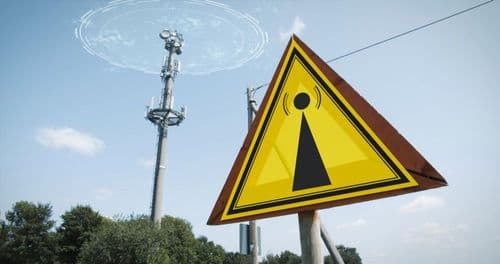
Whenever a new technology emerges, it's natural to have questions and concerns. 5G is no exception, and there has been a lot of discussion, and sometimes misinformation, circulating. Let's address some of the common questions and risks associated with 5G.
One of the most frequent concerns revolves around the potential health effects of 5G radiation. It's important to understand that 5G, like previous generations of wireless technology, uses radiofrequency (RF) electromagnetic fields. Numerous scientific bodies and organizations worldwide, including the World Health Organization (WHO) and the Federal Communications Commission (FCC) in the US, have conducted extensive research on RF fields.
Here's what the science says:
For further reading, reliable sources include the World Health Organization (WHO) and the Federal Communications Commission (FCC) for detailed information on this topic.
With more devices connected to 5G networks, the potential attack surface for cyber threats could theoretically expand. However, 5G networks are designed with enhanced security features built in, often more robust than previous generations.
Here's how 5G addresses security:
Despite these advancements, the responsibility for digital security ultimately rests with both the network provider and the user. In today's connected world, having comprehensive digital protection isn't just nice to have anymore. It's essential, particularly as we embrace faster networks and connect more devices.
Consider the statistics: 33% of Americans have been victims of identity theft, and 60% of credit card holders have experienced fraud. With data breaches affecting 61% of Americans and exposing 36 billion records between January and April 2024 alone, including major breaches at companies like AT&T (73 million records) and Bank of America (57,000 records), the digital landscape presents real risks alongside its conveniences.
Rolling out 5G nationwide requires significant infrastructure development, including the deployment of many small cell towers, particularly for high-band 5G. This can sometimes lead to local concerns about aesthetics or the placement of these towers. However, carriers are working to integrate these discreetly, often on existing infrastructure or street furniture, and local governments play a role in regulating their placement.
You might be thinking about what features truly matter in a mobile plan today.
VLE Mobile takes a unique approach by bundling three essential services into one subscription: premium mobile connectivity through the AT&T network, comprehensive identity theft protection powered by Aura, and international eSIM data with automatic access to AT&T, Verizon, and T-Mobile equivalent networks in the US and over 80 countries worldwide. The thinking behind this is simple: if you're going to use 5G technology, you should be protected while doing so.
What makes this approach different is how the services complement each other. Your primary plan gives you priority data for important apps and location-based services. The additional eSIM works as a backup for things like social networks, games, and streaming services that don't require strict geolocation.
The pricing is straightforward, starting at $25 per month with no contracts. Plans include features like unlimited data rollover, free roaming in over 80 countries, and calls to Canada and Mexico. Single-line customers receive Aura's Complete Individual Protection Plan with $5 million identity theft insurance, while families with two or more lines automatically get the Complete Family plan at no additional charge, covering up to 10 adults and unlimited children. What's particularly practical about this setup is the flexibility.
Your unused data carries over month to month on multi-network plans. And if you travel internationally, you're already covered with included roaming in dozens of countries. For families especially, having everyone protected under one comprehensive security plan removes a lot of worry about what your kids might encounter online or whether elderly parents might fall victim to scams.
But it also increases our digital footprint and the potential risks that come with it. Finding a mobile service that recognizes this reality and addresses both sides of the equation just makes practical sense. After all, the point of better technology should be making life easier and safer, not more complicated.
If you're considering your options for mobile service in this 5G world, it's worth looking at providers who understand that connectivity and security aren't separate needs anymore. They're two sides of the same coin, and getting both right matters more than ever.
Stay informed about mobile technology and digital security.


Stay updated with our latest news and offers!