We're currently upgrading our system, checkout will be back soon.

U
By Thomas Franco



Let's be honest, in today's super-connected world, it feels like we're constantly online. From scrolling through social media to managing our finances, our lives are increasingly digital. And while this brings incredible convenience, it also opens us up to new risks, especially identity theft. It's a scary thought, right?
I'm here to share some practical tips that I, as a fellow digital citizen, have found incredibly helpful. Think of this as your personal guide to building a stronger shield against identity thieves. We'll dive into what you can do right now to protect yourself and your family.
Let's get started on fortifying your digital defenses.
This might sound like a broken record, but it's truly the foundation of your online security. I know, remembering complex passwords for dozens of accounts can feel like a chore.
Identity thieves use sophisticated software to guess common passwords, so "123456" or "password" just won't cut it.
The key is to create long, unique passphrases that combine uppercase and lowercase letters, numbers, and symbols. Think about using a memorable phrase or a series of unrelated words. For example, instead of "FluffyCat," try "FluffyCatJumpedOverTheMoon!7." See the difference?
Even better, use a password manager. These tools generate strong, unique passwords for all your accounts and store them securely in an encrypted vault, so you only need to remember one master password. Many modern services include password managers that can automatically detect weak or reused passwords and help you update them with a single click. It's a game changer, trust me.
If strong passwords are your first lock, two-factor authentication (2FA) is the deadbolt. This simple yet powerful security measure adds an extra layer of protection by requiring a second form of verification in addition to your password. This usually involves a code sent to your phone, a fingerprint scan, or a facial recognition scan.
Even if a thief manages to get your password, they won't be able to access your account without that second piece of information. I always recommend enabling 2FA on every account that offers it, especially for email, banking, and social media. It's a small extra step that provides a huge boost in security.
Phishing is one of the most common ways identity thieves try to trick you into revealing your personal information. These scams often come in the form of emails, text messages, or even phone calls that look legitimate but are designed to steal your data. They might pretend to be your bank, a government agency, or a popular online retailer.
Always hover over links before clicking to see the real URL, and never provide personal information in response to an unsolicited request. If you're unsure, go directly to the organization's official website or call them using a verified phone number. It's better to be safe than sorry!
Modern security tools can help here too. Some services include safe browsing features that block malicious sites and phishing attempts automatically, acting as an extra set of eyes watching out for suspicious activity.
Your home Wi-Fi network is the gateway to all your connected devices. An unsecured network is an open invitation for snoopers. Make sure your router has a strong, unique password (not the default one!) and that you're using WPA2 or WPA3 encryption. You can usually find these settings in your router's administration panel.
Regularly updating your router's firmware is also crucial, as these updates often include important security patches.
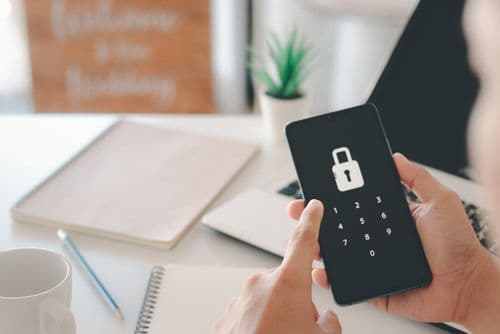
Our smartphones are practically extensions of ourselves, holding a wealth of personal information. Losing one or having it compromised can be a major headache. Always use a strong passcode or biometric security (fingerprint, face ID) on your phone.
Be cautious about connecting to public Wi-Fi networks without protection. Public Wi-Fi can be easily exploited by criminals to intercept your data. A VPN encrypts your internet connection, making it much harder for anyone to snoop on your online activity. Some security suites also include antivirus protection for unlimited devices, which gives you peace of mind whether you're on your phone, tablet, or computer.
This is a proactive step that can help you catch identity theft early. Get into the habit of reviewing your bank statements and credit card bills regularly for any suspicious activity. Small, unfamiliar charges can be an early warning sign.
Credit monitoring is equally important. Keeping tabs on your credit reports from all three major bureaus (Equifax, Experian, and TransUnion) helps you spot unauthorized accounts or inquiries quickly. Look for accounts you don't recognize, incorrect personal information, or any other discrepancies. Catching these early can prevent significant damage.
Beyond credit, your identity can be compromised in other ways too. Your Social Security number might show up on the dark web after a data breach, or someone might use your personal information to open payday loans or make fraudulent wire transfers. Comprehensive monitoring services watch for these activities and alert you when something suspicious pops up, including Social Security number misuse, identity verification attempts, and even changes to your home or vehicle titles.
Some advanced services will even take action on your behalf, like removing your personal information from data broker sites that sell your details to advertisers and telemarketers. This reduces your exposure to unwanted spam, scams, and potential identity theft.
In the age of social media, it's easy to overshare.
Think twice before posting your full birth date, your mother's maiden name, your pet's name (especially if it's a security question answer), or details about your vacation plans.
Even seemingly harmless photos can reveal personal information if you're not careful. Limit what you share publicly and adjust your privacy settings on all social media platforms to control who sees your posts. Some monitoring services can even scan your social media feeds for reputation and privacy risks, flagging inappropriate posts or comments that might put you at risk.
Online shopping is incredibly convenient, but it's essential to do it safely. Always make sure you're on a secure website before entering your credit card information. Look for "https://" in the website address (the "s" stands for secure) and a padlock icon in your browser's address bar.
Avoid making purchases on public Wi-Fi networks unless you're using protection. Stick to reputable retailers, and be wary of deals that seem too good to be true, as they often are.
For added security, consider linking your financial accounts to a monitoring service that alerts you to spending activity. This helps you detect early signs of fraud, like unauthorized purchases or new bank accounts opened in your name.
While we focus a lot on digital security, don't forget about your physical documents. Shred sensitive mail like credit card offers, bank statements, and utility bills before throwing them away.
Be cautious about carrying your Social Security card in your wallet. Only bring it out when absolutely necessary. Some security services even monitor for changes to your address at the US Postal Service, alerting you if someone tries to redirect your mail without your knowledge.
Americans receive an estimated 33 million robocalls every day, and text messages account for 22% of fraud reports. These annoying and often dangerous communications aren't just a nuisance. They're frequently the first step in sophisticated scams designed to steal your money or personal information.
AI-powered call and text screening can help protect you from these threats by automatically blocking spam calls and filtering out fraudulent messages. This keeps you safe from phone scams and reduces the barrage of unwanted communications that clutter your day.
Digital security isn't just about protecting yourself. If you have kids, they need protection too. Children are victims of identity theft more often than you might think, with criminals opening credit accounts or taking out loans using a child's Social Security number. The damage often goes undetected for years until the child tries to apply for their first credit card or student loan.
Parental controls, content filtering, screen time limits, and monitoring for cyberbullying and online predators are essential tools for keeping kids safe online. Many parents find that safe gaming features are particularly valuable, as children often interact with strangers while playing video games, potentially exposing them to scams and inappropriate behavior.
For families with aging parents, protection is equally important. Seniors lose an average of $34,200 when targeted by fraudsters, making them particularly vulnerable to financial scams and identity theft.
The good news is that comprehensive family protection plans often cover up to 10 adults and unlimited children, with each enrolled adult getting their own insurance policy and private portal. There are typically zero restrictions on who counts as a family member, making it easy to protect everyone you care about.
We've covered a lot of ground today, and I hope you feel more empowered to protect your digital life. Identity theft is a real threat, affecting about one in three Americans at some point. With 36 billion data records exposed just in early 2024 and major breaches at companies like AT&T, Dell, and Ticketmaster, the risk has never been higher.
Here's the thing, though. Protecting yourself used to mean juggling multiple apps, logins, and bills. You'd need one service for your VPN, another for antivirus, a third for credit monitoring, a fourth for password management, and so on. It was expensive, complicated, and honestly, pretty overwhelming.
That's changed. The best approach now is finding an all-in-one solution that combines everything you need into a single, easy-to-use platform. Look for services that offer comprehensive protection including credit monitoring across all three bureaus, financial transaction monitoring, dark web surveillance, VPN and antivirus for unlimited devices, password management, spam call and text blocking, and parental controls. Having 24/7 support and expert fraud remediation assistance is crucial too, especially if something does go wrong.
Instead of treating security as an expensive add-on, they include Aura's award-winning protection with every plan at no additional cost. Whether you choose a single line with Complete Individual protection or a family plan with Complete Family coverage (protecting up to 10 adults and unlimited children), you get the full suite of security features backed by up to $5 million in identity theft insurance.
This means you're not just getting competitive mobile service on the AT&T network with features like unlimited talk and text, Canada and Mexico roaming, and flexible no-contract plans. You're also getting security tools that would typically cost $20 to $30 per month if purchased separately. The multi-network plans even include international data roaming in 80+ countries and unlimited data carryover, making it an exceptionally well-rounded offering.
When you compare what you get versus what you pay, especially considering the free comprehensive security that comes standard, VLE Mobile offers a level of value that's hard to find elsewhere in the prepaid market. It's not about flashy marketing or complicated promotions. It's simply a straightforward approach that recognizes digital security as a fundamental need, not a luxury add-on.
Stay vigilant, stay informed, and make smart choices. And when you're evaluating your mobile service options, consider that true value isn't just about data speeds and network coverage. It's about comprehensive protection for everything that matters in your connected life.
Stay informed about mobile technology and digital security.


Stay updated with our latest news and offers!