We're currently upgrading our system, checkout will be back soon.

U
By Katy Samuels


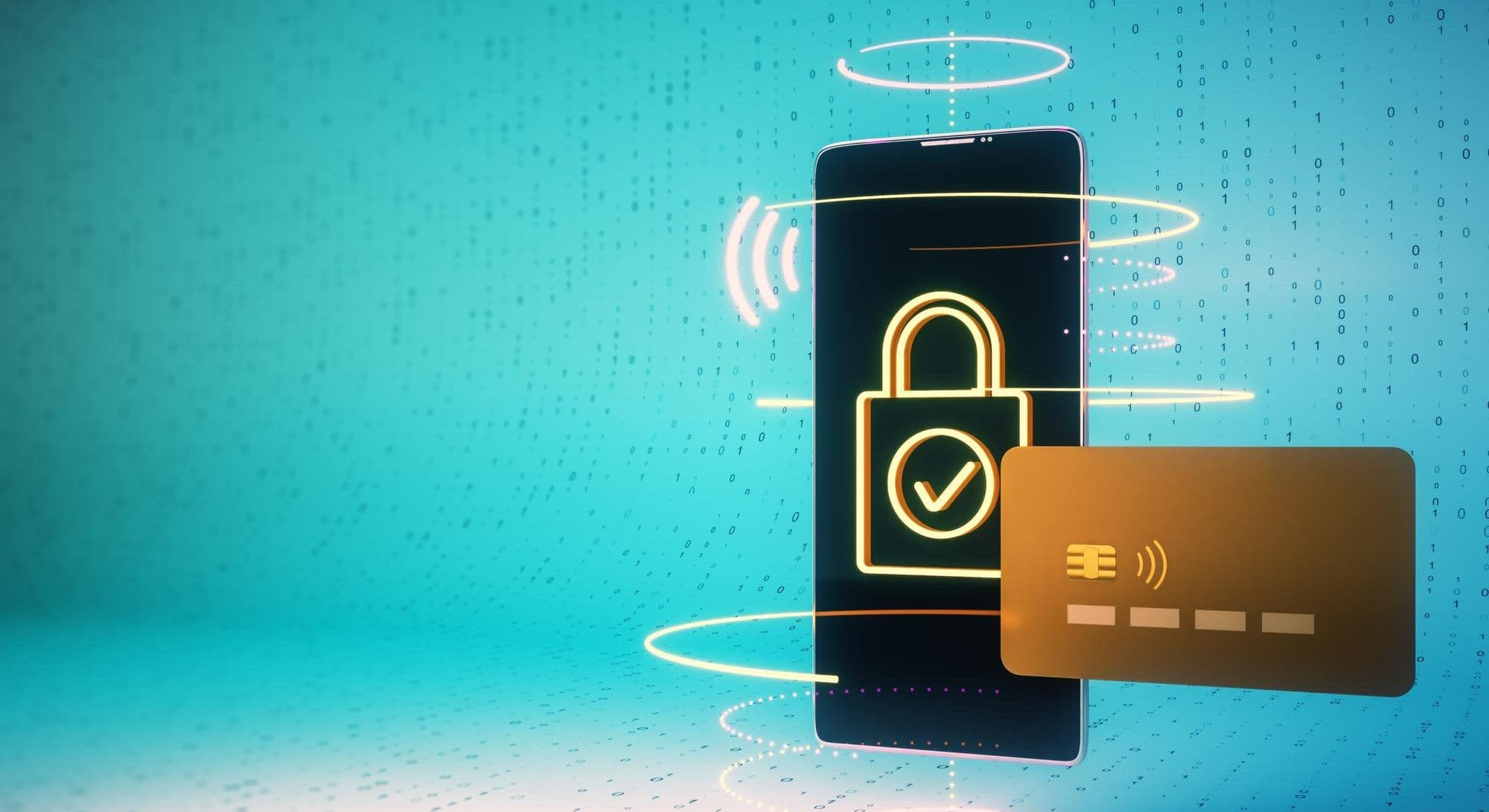
If you have been wondering whether eSIM technology is secure enough for your banking needs, you are not alone. As the world moves away from physical SIM cards, questions about security naturally arise. The good news is that eSIM technology isn't just convenient; it offers compelling security advantages, especially for sensitive activities like banking.
Here is a look at what eSIM technology is, how it impacts financial security, and why understanding it matters.
An eSIM (embedded Subscriber Identity Module) is a digital version of the traditional plastic SIM card. Instead of a physical chip you swap between devices, an eSIM is built directly into your device's hardware—think of it as a permanent resident rather than a temporary guest.
The beauty of eSIM lies in its flexibility. You can activate a mobile plan, switch carriers, or add international roaming simply by downloading a profile via a QR code or app. Everything happens digitally through remote provisioning.
For travelers, this is a game-changer. You can land in a new country and activate a local data plan within minutes, avoiding the need to find a kiosk or deal with language barriers. It also allows for managing multiple numbers on one device, easily separating work and personal lines.
When discussing mobile banking security, the primary concern is protecting sensitive financial information from interception.
With traditional SIM cards, a major vulnerability is physical theft. If someone steals your phone, they can pop out your SIM card, put it in another device, and receive your calls and texts—including banking verification codes. Because an eSIM is embedded in the hardware, it cannot be physically removed. To use your eSIM profile, a thief would need to bypass your device’s biometric locks and PINs.
SIM swapping occurs when criminals trick a carrier into transferring your number to a SIM they control. While eSIMs are not entirely immune to social engineering attacks, they add layers of complexity. The remote provisioning process is protected by robust cryptographic protocols. When your device communicates with a carrier to download a profile, the data is encrypted, making it extremely difficult for attackers to intercept.
eSIMs work seamlessly with modern authentication. Most banking apps use Two-Factor Authentication (2FA). When combined with the secure element in your phone (the same hardware protecting Apple Pay or Google Pay), eSIMs offer bank-level security built directly into the device.

The financial services sector faces twice as many cyberattacks as the global average. As mobile banking becomes the norm, leveraging every security advantage is crucial.
This is particularly important for travelers. A common scenario involves needing to check a bank balance while abroad. With a traditional setup, travelers often resort to public Wi-Fi at cafes or airports, which is notoriously insecure and prone to data interception.
Furthermore, as manufacturers move toward eSIM-only devices, understanding these security implications helps you configure your device for maximum protection rather than fearing the change.
While eSIM technology provides a strong foundation, your personal habits play an equally important role.
When considering mobile services that prioritize security, VLE Mobile takes a comprehensive approach. As an MVNO operating on the AT&T network, VLE Mobile integrates security directly into its plans.
What sets VLE Mobile apart is the inclusion of Aura identity theft protection with every plan.
VLE Mobile’s multi-network eSIM plans allow access to networks in over 80 countries. This ensures you always have a secure cellular connection while traveling, eliminating the temptation to use risky public Wi-Fi for banking. Additionally, the unlimited data carryover feature ensures you never run out of secure data, so you never have to compromise security to save megabytes.
By bundling connectivity with Aura’s AI-driven fraud protection and 24/7 support, VLE Mobile ensures that while your eSIM secures your connection, Aura is monitoring the background for data breaches and identity threats.
Is eSIM safe for banking? The answer is a definitive yes.
eSIM technology offers built-in protections that surpass traditional SIM cards, particularly regarding physical security and encryption standards. However, technology is only half the battle. The most secure chip in the world cannot protect against weak passwords or phishing scams.
By combining the inherent strengths of eSIM technology with solid personal security habits and comprehensive monitoring services like those offered by VLE Mobile, you can manage your finances confidently from anywhere in the world. Embrace the technology, stay vigilant, and choose providers that prioritize your digital safety.
Stay informed about mobile technology and digital security.


Stay updated with our latest news and offers!