We're currently upgrading our system, checkout will be back soon.

U
By Thomas Franco


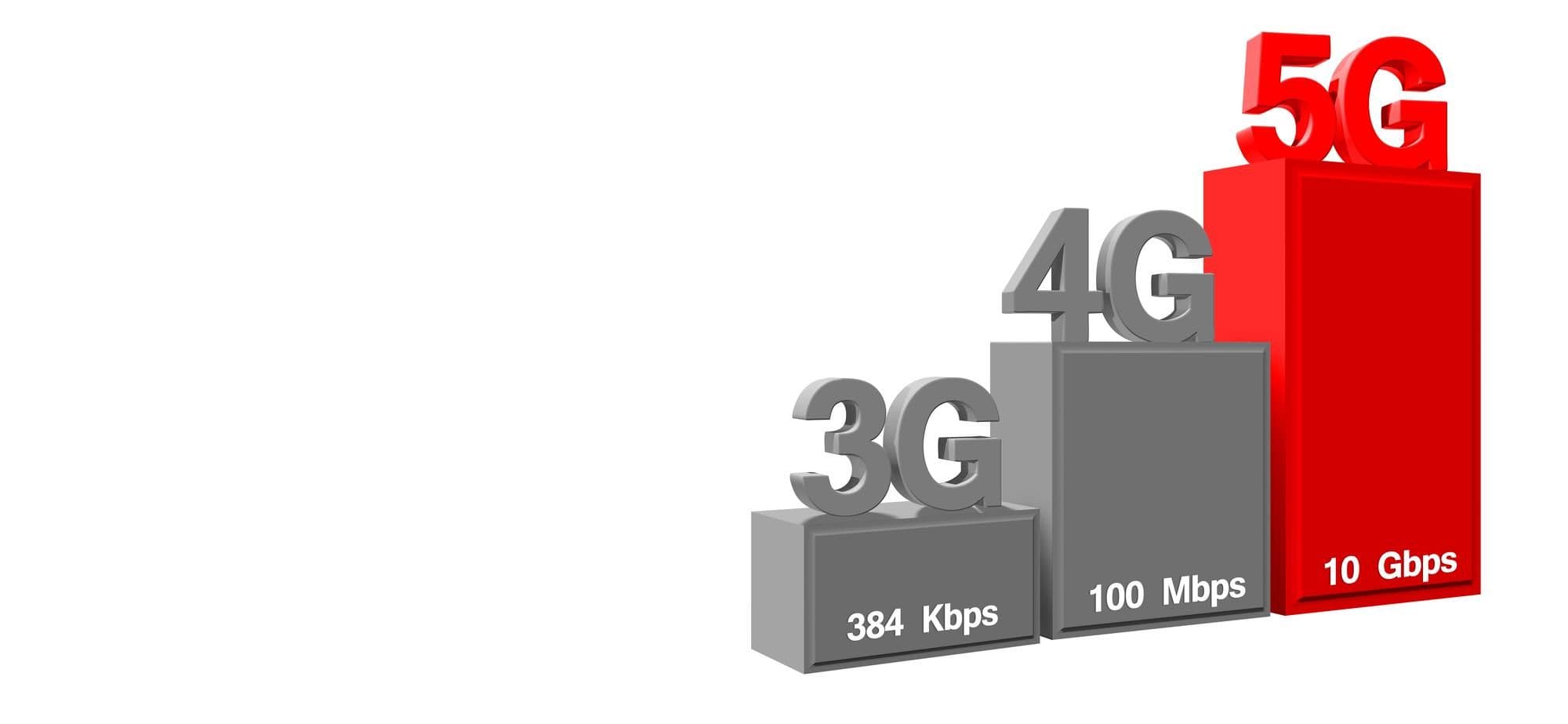
Remember the last time you tried to watch a video on your phone during your commute and spent more time staring at the loading circle than actually watching? Or when you were video calling family and the picture kept freezing at the most awkward moments? If this sounds familiar, you're not alone. These frustrations have been part of our mobile experience for years, but they're becoming a thing of the past as 5G technology rolls out across the country.
The jump from 4G to 5G isn't just another incremental upgrade. It's more like going from a two-lane country road to a multi-lane highway. But what does that really mean for your everyday streaming experience? Let's break it down in plain terms.
While 4G served us well since the late 2000s, our needs have evolved. We're watching more video content than ever, working remotely, and expecting everything to just work instantly.
The key difference lies in how the technology works. 5G operates on a broader range of frequencies and uses small cell technology with smaller antennas placed closer together. This creates a denser, more capable network that can handle much more data at faster speeds.
When you read about 5G, you'll see impressive numbers thrown around, like speeds up to 10 or even 20 gigabits per second in perfect conditions. But let's be honest, perfect conditions rarely exist in the real world. What matters more is what you'll actually experience day to day.
In practical terms, 4G networks typically deliver speeds between 20 and 100 megabits per second.
What does this mean when you're actually trying to watch something? With 4G, you could stream in standard or high definition most of the time, but if you've tried to watch anything during rush hour at a train station or in a crowded area, you know the quality often drops. The video gets blurry, or worse, it stops to buffer right in the middle of the action.
With 5G, streaming in 4K becomes the norm rather than the exception. More importantly, you can do this while other people around you are also streaming, and everyone still gets a smooth experience.
Here's something most people don't think about until it becomes a problem: latency. Latency is the delay between when you request something and when it actually happens. It's the reason why sometimes when you're on a video call, there's that awkward pause where you both start talking at the same time because the audio lagged.
With 4G, latency typically ranges from 20 to 40 milliseconds, while 5G can achieve latency under 5 milliseconds. In practice, it's the difference between a conversation that feels natural and one that feels stilted and frustrating. For live streaming, whether you're watching a sports event, a concert, or a live news broadcast, that reduced delay means what you're seeing is actually happening in real time.

Let's put this in terms of real situations. Imagine you're on the bus heading home wanting to catch up on your favorite show. With 4G, you might start the video, wait for it to buffer, watch a minute, then wait again. With 5G, you tap play and the show starts immediately in crystal clear quality, even if every other person on that bus is also streaming video.
Or consider trying to join a video call for work while running errands. With 4G, you might get grainy video and choppy audio. With 5G, the video is clear, the audio is crisp, and you can actually participate meaningfully.
The difference becomes even more apparent in crowded places like concerts or stadiums. With 4G, trying to post a video takes forever because thousands of people are using the same cell tower. 5G adds more capacity, which means there's room for everyone to get higher data speeds even in packed venues.
How we use our mobile devices has changed dramatically. We're not just checking email anymore. We're streaming live content, working remotely, attending virtual events, and video chatting with people across the country.
Video now makes up the majority of internet traffic. As more services move to streaming and more communication happens through video, having a network that can handle this demand becomes essential. 5G makes it possible to maintain high quality wherever you are.
Making the switch doesn't have to be complicated or expensive. The key is finding a service that gives you access to 5G networks where available while still providing solid 4G coverage elsewhere. This is important because while major cities have good 5G coverage, rural areas and smaller towns are still being built out.
When you're looking at mobile plans, you want good coverage, reasonable pricing, and extras that add value. VLE Mobile bundles services that make sense together.
Their plans include access to AT&T's network for your primary service. For multinetwork plans, you also get an additional eSIM connecting to AT&T, Verizon, and T-Mobile networks in the US, plus roaming in over 80 countries.
What sets VLE Mobile apart is comprehensive digital security through Aura. Every customer gets Aura's Complete Individual plan, and if you have two or more lines, you automatically get the Complete Family plan. This includes identity theft protection backed by up to 5 million dollars in insurance, credit monitoring across all three bureaus, dark web monitoring, VPN service, and antivirus protection.
A good VPN service usually costs at least 10 dollars per month, and identity theft protection from Aura costs between 20 and 30 dollars monthly. By bundling these with your mobile plan, you're getting significant value.
Standard plans start at 13 dollars monthly for 1GB of data and go up to 50 dollars for unlimited data, all including unlimited talk and text, free calling to Canada and Mexico, and Complete Individual Aura protection. Multinetwork plans start at just 3.81 dollars monthly for 3GB with data roaming in 80 countries and unlimited data carryover.
If one network has weak coverage in a location, your phone can use another network for fewer dropped calls and more consistent data speeds.
The improvements in streaming quality from 4G to 5G are real and noticeable.
Whether you're streaming shows, joining video calls, or loading webpages in crowded areas, how does 5G improve streaming quality compared to 4G makes everything work better.
As 5G coverage expands, the benefits will only increase. We're already seeing innovations in mobile gaming, augmented reality, and live broadcasting that weren't possible with 4G. Getting access to 5G now means you're ready for whatever comes next.
The key is finding a service that gives you these improvements without breaking the bank. When you can get 5G access, comprehensive security protection, and reliable coverage all in one affordable package, the choice becomes clear. Your mobile experience should be smooth, secure, and affordable, and with the right plan, it can be all three.
Stay informed about mobile technology and digital security.


Stay updated with our latest news and offers!