We're currently upgrading our system, checkout will be back soon.

U
By Katy Samuels


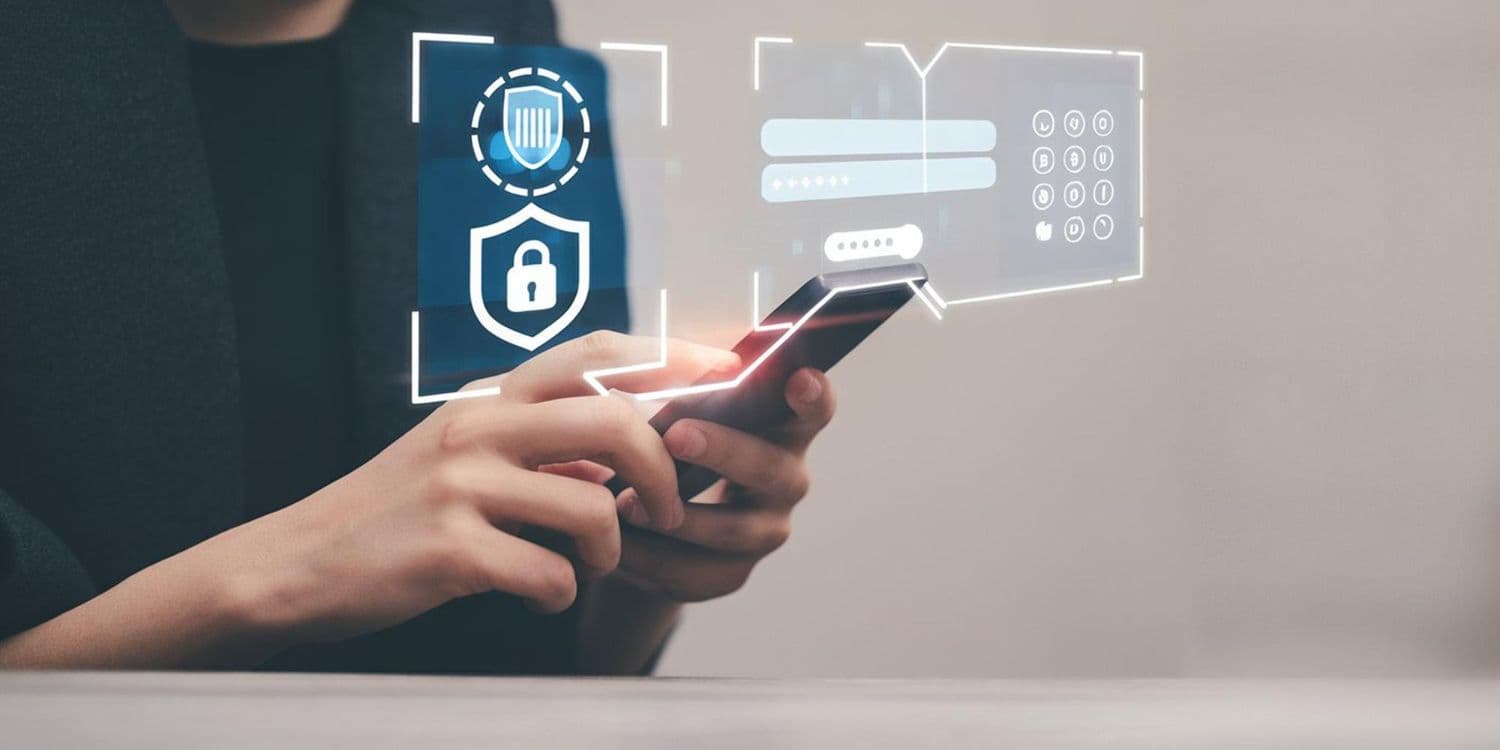
Your phone buzzes. It's an email from your bank asking you to verify a transaction. Or maybe it's a text message claiming your package couldn't be delivered. Perhaps it's a call from someone saying they're from tech support and your computer has been compromised. Sound familiar?
These moments happen more frequently than most of us would like to admit, and they all represent something we're hearing about constantly: digital security alerts. But what exactly are they, and why should you care? More importantly, what can you do about them?
A digital security alert is essentially a notification or warning that signals a potential threat to your online safety, personal information, or digital assets. These alerts can come from legitimate sources like your bank, email provider, or security software, letting you know about suspicious activity on your accounts. They might inform you that someone tried to log into your account from an unfamiliar location, that your password was found in a data breach, or that your credit card information may have been compromised.
However, here's where things get tricky.
These fraudulent messages are designed to create panic and urgency, pushing you to click a malicious link, download harmful software, or hand over sensitive information. This practice, known as phishing, has become one of the most common tactics used by scammers today.
The challenge we all face is learning to distinguish between genuine security alerts that protect us and fake ones that aim to harm us. Real alerts typically come through official channels and never ask for sensitive information like passwords or Social Security numbers through email or text. They give you time to respond and often direct you to log in through the company's official website or app rather than clicking a link in the message itself.
The impact of digital security threats goes far beyond just losing a few dollars. According to recent data from the Federal Trade Commission, Americans reported losing more than 12.5 billion dollars to fraud in 2024, representing a staggering 25 percent increase over the previous year. Even more concerning, the number of identity theft complaints reached over 1.1 million in 2024, showing that this problem continues to grow at an alarming rate.
What do these numbers actually mean for everyday people like you and me? Well, the statistics show that nearly one in three Americans have fallen victim to a scam in the past year, with an average loss of around 1,600 dollars per victim.
The emotional and psychological toll can be even more devastating. Research shows that more than 43 percent of scam victims experience anxiety or depression following their ordeal. Another 42 percent develop trust issues that affect their daily interactions, and 33 percent report feeling constantly fearful or paranoid about future scams. Imagine living with that level of stress every day, always wondering if the next email or phone call might be another attempt to steal from you.
The practical consequences extend into every corner of life. Victims often find themselves set back on their financial goals, unable to pay bills on time, and having to borrow money from family and friends. Some face complications with their taxes when identity thieves use their Social Security numbers to gain employment. Others spend months or even years trying to clear their names and restore their credit after someone opens fraudulent accounts in their name.
Perhaps most troubling is how long it can take to recover from identity theft. Nearly half of victims who sought help reported that their issues remained unresolved even 12 months after discovery. Think about that for a moment. A full year of dealing with the aftermath, making phone calls, filing reports, disputing charges, and trying to reclaim your identity. It's exhausting just to contemplate.
You might be wondering why we're suddenly hearing so much about digital security alerts and cyber threats. The simple truth is that our digital lives have expanded dramatically, and criminals have kept pace with every advancement.
The year 2024 witnessed the second highest number of data compromises in United States history since tracking began in 2005. A total of 1.35 trillion victim notices were issued, with five massive breaches each affecting between 100 million and 560 million people. Major companies like Ticketmaster, AT&T, Change Healthcare, Kaiser, Dell, and Bank of America all experienced significant data breaches. When companies this large get compromised, the ripple effects touch millions of ordinary people who never imagined their information would end up in the wrong hands.
Technology itself has become a double edged sword. Artificial intelligence, which promises to make our lives easier, is also making cybercriminals more sophisticated.
The rise of AI driven scams means that the friendly voice on the other end of the line, claiming to be your bank representative, might actually be a computer generated impersonation.
The methods criminals use have evolved too. Automated systems now launch tens of thousands of malicious scans every second, constantly probing for weaknesses in digital infrastructure. Ransomware attacks continue to disrupt businesses and healthcare facilities, with the healthcare sector being particularly hard hit. In fact, 93 percent of United States healthcare organizations reported at least one cyber incident in the past year, and 60 percent experienced ransomware attacks in 2024.
We're also seeing a concerning trend in how breaches occur. Many of the largest data breaches in 2024 could have been prevented with better security practices. Four of the five mega breaches happened because stolen credentials were used to access systems that lacked proper multi factor authentication.
The geographic reality matters too. Where you live can significantly impact your risk level. Residents of Florida, for example, face over five times the risk of identity theft compared to those living in South Dakota. While awareness and digital literacy certainly play a role, these disparities highlight how uneven our defenses are across the country.

With all this talk about threats and risks, you might feel overwhelmed. The good news is that taking control of your digital security doesn't have to be complicated or expensive. There are practical steps you can start implementing right away.
First and foremost, adopt a healthy skepticism toward unexpected communications. If you receive an email, text, or call claiming there's a problem with your account, don't click any links or provide any information. Instead, contact the company directly using a phone number or website you know is legitimate. This simple habit can prevent the vast majority of phishing attempts.
Enable multi factor authentication wherever it's available. This adds an extra layer of security beyond just your password, making it much harder for criminals to access your accounts even if they somehow obtain your login credentials. Many of the major breaches we saw in 2024 could have been prevented if organizations had implemented this basic security measure.
Monitor your financial accounts regularly. Don't just glance at your bank balance. Actually review your transactions, looking for anything unfamiliar or suspicious. The sooner you catch fraudulent activity, the easier it is to stop and reverse. Set up alerts through your bank and credit card companies to notify you of unusual transactions.
Use strong, unique passwords for each of your accounts. Yes, it's tempting to use the same password everywhere because it's easier to remember, but this practice is incredibly risky. If one account gets compromised, criminals will try that same password on all your other accounts. A password manager can help you keep track of complex passwords without having to memorize them all.
Be cautious about what you share online. Every piece of personal information you post on social media or other platforms is potentially useful to someone trying to impersonate you or answer security questions. Think twice before posting your birthday, your mother's maiden name, your pet's name, or details about where you went to school.
Keep your devices and software updated. Those annoying update notifications exist for a reason. Software updates often include security patches that fix vulnerabilities criminals could exploit. Putting off updates means leaving known security holes open for attackers to use.
Understanding the threats is one thing, but having comprehensive protection is another.
When you choose VLE Mobile, you're not just getting a phone plan. You're getting a complete digital security solution powered by Aura, one of the most respected names in identity theft protection. Every single plan includes robust security features that most carriers charge extra for or don't offer at all.
With VLE Mobile's standard plans, you receive Aura's Complete Individual Protection Plan, which includes up to 5 million dollars in identity theft insurance. If you choose a family plan with two or more lines, everyone on the account automatically gets the Complete Family plan at no additional cost. That's genuine protection that covers multiple adults and unlimited children, all included in your regular monthly payment.
What does this protection actually include? Let's break it down into real world terms. You get credit monitoring across all three major bureaus, so you'll know immediately if someone tries to open an account in your name. Bank fraud monitoring watches for suspicious activity in your financial accounts. The service monitors your 401K and investment accounts too, protecting your retirement savings from theft.
Your online privacy gets a major boost with VPN service for unlimited devices. This creates a secure, encrypted connection whenever you use public WiFi at coffee shops, airports, or hotels, places where hackers often lurk looking for easy targets. The antivirus protection keeps malware off your devices, while the password manager helps you create and store strong, unique passwords without the hassle of trying to remember them all.
The spam call and text protection addresses another growing problem. Remember those statistics about Americans receiving suspicious communications every day? AI powered screening blocks robocalls and scam texts before they can reach you, reducing the stress and interruption these nuisances cause.
For families, the parental controls and safe gaming features provide peace of mind. Cyberbullying protection, content filtering, and screen time management help keep children safe online. With child Social Security number monitoring and credit freeze capabilities, you can protect your kids from identity theft before they're even old enough to have a bank account.
. A dedicated case manager works with you through the entire recovery process, handling the complicated paperwork and phone calls that typically consume hundreds of hours of a victim's time.
The value proposition becomes clear when you consider what competitors charge. Most carriers offer basic mobile service but leave you to handle security on your own. Standalone identity theft protection services can cost 20 to 30 dollars per month or more. VLE Mobile bundles premium mobile connectivity on the AT&T network with comprehensive security protection, all at competitive prices that match or beat what you'd pay elsewhere for just the phone service.
The flexibility matters too. With no contracts, you're never locked in. Plans start as low as 13 dollars per month for standard plans with complete individual protection, scaling up based on your data needs. Multi network plans offer the added benefit of unlimited data carryover and free roaming in 80 countries, perfect for people who travel internationally or want the peace of mind of backup connectivity.
Living in our connected world means accepting that digital security threats are part of the landscape. But that doesn't mean we have to live in fear. Understanding what a digital security alert is, recognizing how these threats affect real people, and knowing why protection matters more than ever are the first steps toward taking control.
The statistics we've discussed paint a sobering picture of the current threat environment. Billions of dollars lost, millions of people affected, and a constantly evolving array of tactics used by criminals. Yet within this challenging landscape, there's also reason for optimism. Better security practices, improved technology, and comprehensive protection services are making it possible to stay safe without becoming a cybersecurity expert.
Remember that digital security alert we started with, the one that might have been from your bank or a scammer? By now, you understand the difference. You know what to look for, how to verify legitimacy, and where to turn for help if something seems wrong. That knowledge, combined with proper protection, transforms you from a potential victim into someone who can navigate the digital world with confidence.
Your personal information, your financial security, and your peace of mind are worth protecting. The good news is that comprehensive protection doesn't have to be complicated or break the bank. With the right tools and awareness, you can enjoy all the benefits of our connected world while minimizing the risks.
Stay informed about mobile technology and digital security.


Stay updated with our latest news and offers!