We're currently upgrading our system, checkout will be back soon.

U
By Katy Samuels


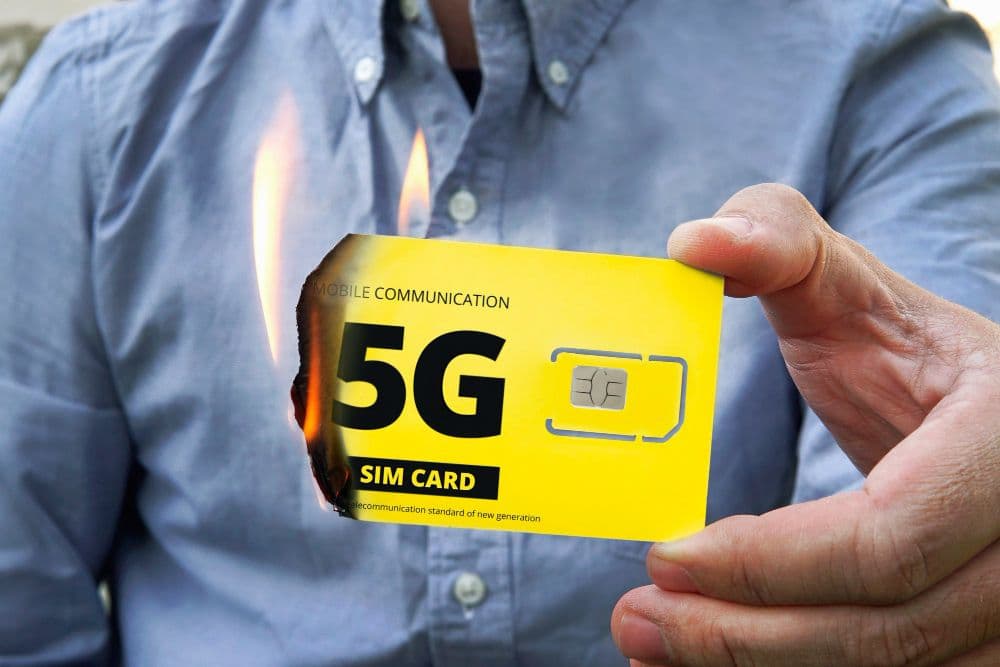
Let's talk about something that's becoming increasingly relevant in our always-on, always-moving world: how your phone handles multiple connections. If you've been hearing terms like "Dual SIM" or "eSIM" floating around and wondering what they mean for you, your family, and your digital peace of mind, you've come to the right place. As a parent myself, I know the juggle is real, and anything that makes our tech work smarter, not harder, is a win. So, let's dive into the world of multiple phone lines and figure out if Dual SIM or eSIM is the superhero your smartphone needs.
Remember the days when a phone was just a phone? A single number, a single purpose. Well, those days are largely behind us. Our smartphones are now our personal assistants, entertainment hubs, navigation systems, and increasingly, our secure portals to the digital world. And with so many roles, it's no wonder we sometimes need our phones to wear more than one hat. Perhaps you have a separate work number, or you travel internationally, or maybe you just want to keep your personal life distinctly separate from your professional one without carrying two devices. This is where Dual SIM and eSIM technology step in, offering solutions that were once the stuff of science fiction.
Let's start with Dual SIM. Think of it like a car with two fuel tanks. It can run on either or switch between them. In the world of phones, Dual SIM means your device can accommodate two physical SIM cards simultaneously. This has been around for a while, particularly popular in regions where people frequently switch carriers for better rates or have distinct personal and business lines.
Imagine your phone has two little slots for those tiny SIM cards. You pop one in for your personal number and another for your work number. Your phone then lets you manage both. You can decide which number to use for calls, texts, and data at any given moment. It's pretty straightforward and offers a tangible sense of control over your connections.
This is a huge one for many of us. Keep your work calls and messages separate from your personal life without needing two separate phones. No more accidentally texting your boss from your personal number!
When you travel internationally, you can keep your home SIM active for important calls and texts, while using a local SIM for cheaper data and calls in your destination country. No more exorbitant roaming charges!
If you live in an area with patchy coverage from one carrier, you can use another SIM from a different provider to ensure you always have a signal.
]You can mix and match plans. Perhaps one carrier offers amazing data deals, while another has better call rates. Dual SIM lets you cherry-pick the best of both worlds.
While great, dual-SIM phones often mean one of the SIM slots doubles as a microSD card slot, so you might have to choose between more storage and a second SIM. Plus, physically swapping SIM cards can be a bit fiddly, especially those tiny nano SIMs.
Now, let's talk about the eSIM, or "embedded SIM." This is where things get really interesting and, dare I say, futuristic. Unlike a physical SIM card you can hold in your hand, an eSIM is a small chip built directly into your phone's hardware. It's like having a digital, reprogrammable SIM card that never leaves your device.
Instead of inserting a physical card, you activate an eSIM digitally. Your carrier sends a profile to your phone over the air, which then tells your device how to connect to their network. It's a seamless process, usually involving scanning a QR code or entering a few details in your phone settings.
No more fumbling with tiny SIM cards or worrying about losing them. Activating a new line or switching carriers is often as simple as a few taps on your screen. This is fantastic for those of us who appreciate efficiency in our busy lives.
Since there's no physical slot needed, phone manufacturers can use that internal space for other things, like bigger batteries or more advanced components. This might not directly impact you, but it contributes to slimmer, more powerful devices.
An eSIM is much harder to remove or tamper with than a physical SIM. If your phone is lost or stolen, it's more difficult for someone to just pop out your SIM and access your identity. This is a big win for digital security.
While it's one embedded chip, an eSIM can store multiple network profiles. You can switch between them with ease, making it incredibly versatile for travelers or those with multiple lines.
More and more devices are coming with eSIM functionality built in, from smartphones to smartwatches and tablets. It's clearly the direction the industry is heading.
Just like Dual SIM, eSIM makes international travel a breeze. You can purchase a local data plan online, activate it in minutes, and avoid those pesky roaming charges. Imagine landing in a new country and being connected almost instantly!
Less plastic waste from physical SIM cards is a small but significant step towards sustainability.
The main downside right now is device compatibility. While many newer smartphones support eSIM, not all older models do. So, if you're holding onto an older device, you might not be able to take advantage of this technology just yet. Also, transferring an eSIM when you get a new phone can sometimes involve a quick call to your carrier, though this process is becoming increasingly streamlined.
When discussing Dual SIM and eSIM, you might also encounter terms like DSDS (Dual SIM, Dual Standby) and DSDA (Dual SIM, Dual Active).
For most users and most phones on the market, you'll be dealing with DSDS functionality, which is perfectly adequate for managing multiple lines without interruption to your daily activities.
So, the million-dollar question: Dual SIM or eSIM? The answer, as with many things in life, depends on your specific needs and lifestyle.
For many of us, especially young adults with families who are constantly on the go and value both connectivity and security, eSIM is increasingly becoming the preferred option. Its flexibility, ease of use, and security benefits align perfectly with the demands of modern life.
Now, here's where things get interesting. While both Dual SIM and eSIM offer excellent ways to manage your connections, there's something worth considering that goes beyond just how many lines your phone can handle.
What makes this particularly compelling is how they've thought about connectivity differently. Instead of worrying about which carrier has the best coverage in your area, their multinetwork plans automatically switch between AT&T, Verizon, and T-Mobile networks. It's like having three carriers in one, which is pretty remarkable when you think about it.
The approach they've taken is practical. Your primary SIM handles all your priority needs like voice calls, text messages, banking apps, and anything that requires precise location services. The additional eSIM acts as a backup for things like social media, games, and streaming services. This means you're covered whether you're checking your bank balance or watching videos during your commute.
What really stands out is that every plan, starting at just $25 for their multinetwork eSIM options, includes comprehensive identity theft protection through Aura. We're talking about $5 million in identity theft insurance, credit monitoring across all three bureaus, dark web monitoring, VPN protection, antivirus for unlimited devices, spam call and text blocking, and even parental controls. That's a lot of protection that typically costs hundreds of dollars per year as separate subscriptions.
If you're on a single line plan, you get Aura's Complete Individual Protection Plan included. Choose two or more lines, and everyone gets the Complete Family Protection Plan, which covers up to 10 adults and unlimited children. There's also unlimited data carryover on the multinetwork plans, so you're not losing data you've paid for at the end of each month.
For travelers, their multinetwork plans include free data roaming in over 80 countries at the same speeds you get at home. No slowdowns, no surprise charges when you land abroad. Just connect and go.
Their standard plans, which work on the AT&T network, start at $13 per month with prepaid discounts and include Complete Individual Protection with $5 million identity theft insurance. Free roaming in Canada and Mexico is standard. No contracts on any plan means you're never locked in.
At the end of the day, whether you choose Dual SIM or eSIM technology, what matters most is finding a solution that fits your life without adding complexity. You want reliable connectivity, the flexibility to manage multiple lines if needed, and increasingly, protection for your digital identity.
The beauty of eSIM technology is that it removes friction. Activating service, switching plans, or adding international coverage becomes almost effortless. Combined with automatic network switching and comprehensive security protection built into your plan, you're getting something that just works without demanding constant attention.
They've bundled services that typically require multiple subscriptions into competitive pricing with no contracts. Their multinetwork eSIM plans start at $3.81 per month with annual prepaid discounts, and their primary plans with full Aura protection start at $13 monthly.
It's refreshing when companies think about what families actually need rather than just what they can upsell. Connectivity matters. Security matters more. And getting both without breaking the bank matters most of all.
Stay informed about mobile technology and digital security.


Stay updated with our latest news and offers!