We're currently upgrading our system, checkout will be back soon.

U
By Katy Samuels


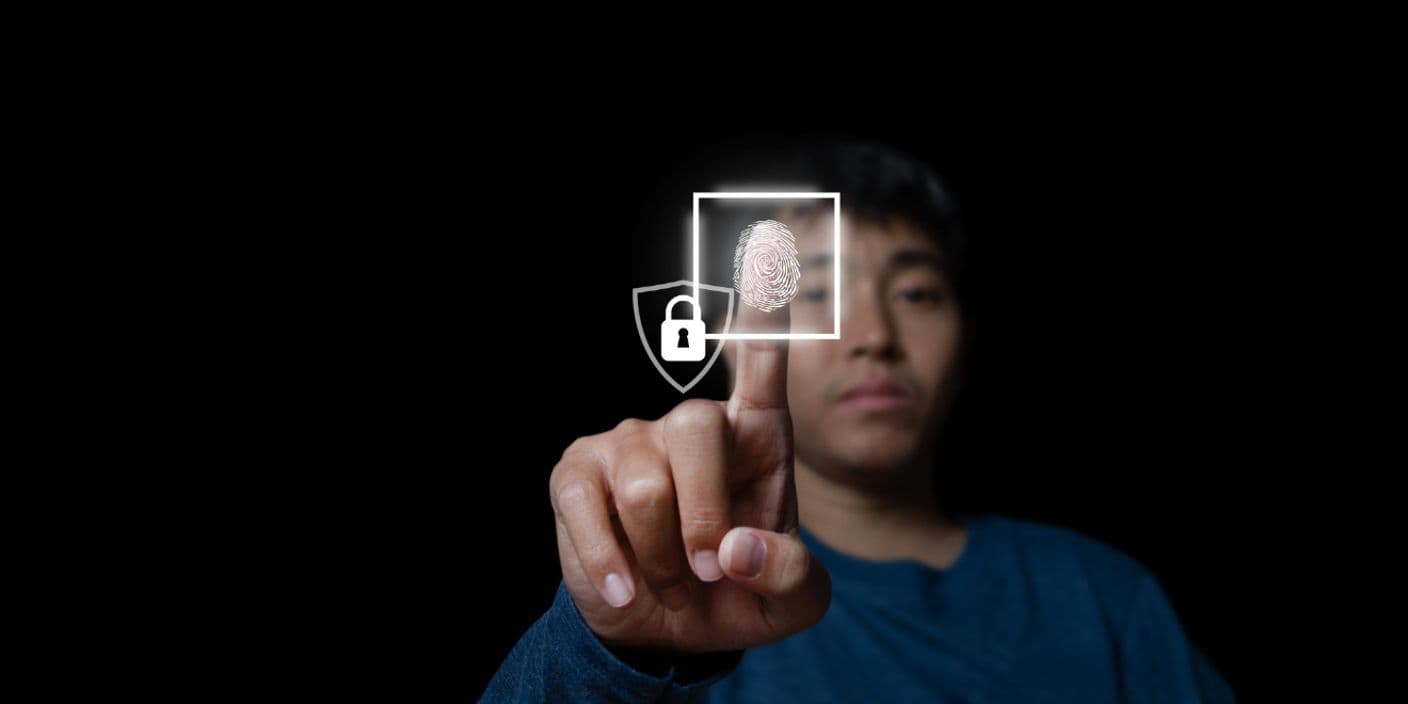
In our increasingly connected world, digital security has become as essential as locking your front door. For those of us juggling careers, families, and countless digital demands, it might sound overwhelming, but understanding identity theft prevention is more accessible than you think.
Consider your typical day. You're checking work emails on your phone, ordering groceries online, managing your kids' school portals, maybe scrolling through social media during a coffee break. Each interaction creates a small digital footprint. Individually harmless, but collectively they form a detailed picture of your life that could be exploited if it falls into the wrong hands.
We're talking about fraudulent tax returns, medical identity theft, social media impersonation, even criminal records created in your name. The financial damage can be devastating, and the stress of untangling the mess is exhausting. Imagine proving you didn't open a loan you know nothing about, or dealing with the aftermath of a data breach that exposed your family's most sensitive information.
For young adults with children, the stakes are even higher. Our digital lives intertwine with our kids' digital footprints, from school records to online games. Protecting ourselves means protecting our entire family, and that responsibility weighs heavily on all of us.
Identity thieves are clever and constantly evolving. Here are the most common threats you should know about:
The statistics are sobering. About 33% of Americans have been victims of identity theft, 60% of credit card holders have experienced fraud, and nearly one in three Americans have been scammed in the past year. It's a lot to consider, but there are proactive steps we can all take to significantly reduce our risk.
Let me break down some actionable steps you can take right now to bolster your digital defenses.
This is the foundation of online security. Forget using your pet's name or birthday. Use combinations of uppercase and lowercase letters, numbers, and symbols. The longer, the better. And here's the crucial part: use a different strong password for every single online account.
I know it sounds impossible to remember, which is where password managers come in handy. They store all your passwords securely with encryption and generate complex new ones for you. Many services also offer automated password changes when breaches are detected, making security maintenance much simpler.
Beyond strong passwords, enable two-factor authentication wherever possible. This adds an extra security layer, usually by sending a code to your phone or email after you enter your password. Even if a thief gets your password, they can't access your account without that second factor.
Develop a healthy sense of suspicion online. Always scrutinize emails, texts, and calls that ask for personal information. Look for grammatical errors, strange sender addresses, or urgent demands. If something feels off, it probably is.
Never click on suspicious links or download attachments from unknown sources. When in doubt, go directly to the official website of the organization in question instead of using links from an email. Americans receive 33 million robocalls per day, and text messages account for 22% of fraud reports, so staying vigilant is more important than ever.
Your smartphone, laptop, and tablet are gateways to your digital life. Keep their operating systems and all your apps updated. These updates often include critical security patches that protect against new vulnerabilities.
Install reputable antivirus software on your computers and use a VPN (Virtual Private Network) when connecting to public Wi-Fi. A VPN encrypts your internet connection, making it much harder for others to snoop on your activity. Some modern security solutions even automatically detect non-secure networks and prompt you to activate VPN protection with one tap.
Make it a habit to review your bank statements, credit card bills, and credit reports regularly. Look for any unfamiliar charges or accounts you didn't open. The sooner you spot something suspicious, the easier it is to address.
You can get free copies of your credit report from each of the three major credit bureaus annually at AnnualCreditReport.com. Better yet, consider services that offer continuous monitoring across all three bureaus (Experian, Equifax, and TransUnion), alerting you to any changes in real time.
We all love sharing moments with friends and family, but be mindful of how much personal information you're making public. Avoid posting your exact location, travel plans, or sensitive family details.
Review your privacy settings on all social media platforms and limit who can see your posts. Some advanced security tools now monitor your social media feeds for reputation and privacy risks, flagging inappropriate posts, images, captions, and comments before they become problems.
Don't just toss old bank statements, medical bills, or credit card offers in the trash. Invest in a cross-cut shredder and dispose of these documents securely. This prevents "dumpster diving" identity theft.
Additionally, be aware that data brokers collect and sell your information to advertisers and telemarketers, exposing you to unwanted ads, spam, and scams. Having your information removed from these sites can significantly reduce your exposure.
Even with the best prevention, sometimes the unthinkable happens. If you suspect you've been a victim of identity theft, here's a general action plan:
Now, you might be thinking, "This is a lot to manage!" And you'd be right. Keeping up with all these security measures can feel like a second job. The traditional approach has been to cobble together multiple services: one app for credit monitoring, another for VPN, a third for password management, maybe a fourth for parental controls. Eight apps, eight logins, eight bills, all averaging around $5 per month each.
But what if comprehensive digital security was just included as a standard feature in something you already need?
That's where the landscape is changing. Some forward-thinking companies are recognizing that in 2025, connectivity and security aren't separate concerns but two sides of the same coin. The data shows that 77% of high-net-worth individuals are more worried about being hacked than they are about their investments declining in value, and 61% of Americans have had their personal data breached. The demand for integrated solutions is clear.
What makes this particularly interesting is that the identity protection isn't a stripped-down add-on. Single-line customers receive Aura's Complete Individual Protection Plan at no additional cost, while customers with two or more lines automatically get the Complete Family Protection Plan, which covers up to 10 adults and unlimited children. The value proposition is compelling when you consider that these security plans would typically cost $240 to $360 per year if purchased separately.
The Aura protection included with VLE Mobile covers:
For families, this integrated approach makes tremendous sense. Instead of worrying about separate subscriptions and wondering if everyone is protected, the security umbrella extends to everyone on the plan automatically.
The mobile service itself is competitive too, with plans starting at $25 per month. Single SIM plans on the AT&T network include free roaming in Canada and Mexico, while dual SIM/eSIM plans offer international roaming in 80 countries with unlimited data carryover. There are no contracts, so you maintain complete flexibility.
What's refreshing is the transparent pricing structure. VLE Mobile offers prepaid commitment options that provide significant savings: three-month prepaid plans save up to $180 on family plans, six-month prepaid saves up to $420, and twelve-month prepaid saves up to $960 on a five-line family plan. When you factor in the free security services worth up to $600 per year, the value becomes even more apparent.
In today's fast-paced, digitally driven world, protecting your identity isn't just about avoiding a problem. It's about gaining peace of mind. It's about knowing you've taken the necessary steps to safeguard your financial well-being, your reputation, and the digital future of your family.
The convergence of mobile connectivity and comprehensive digital security represents a meaningful shift in how we think about essential services. Rather than treating security as an afterthought or expensive add-on, the most innovative providers are recognizing that robust protection should be standard, accessible, and affordable for everyone.
So take a moment to evaluate your current digital security practices. Could you strengthen your passwords? Are you monitoring your accounts? Do you have comprehensive protection for your entire family? And perhaps most importantly, are you getting the best value for your money?
For anyone looking for a mobile plan that genuinely prioritizes both connectivity and security without the premium price tag, exploring providers like VLE Mobile makes practical sense.
In the end, digital security isn't about being paranoid. It's about being prepared, protected, and empowered to fully enjoy all the benefits our connected world has to offer.
Stay informed about mobile technology and digital security.


Stay updated with our latest news and offers!