We're currently upgrading our system, checkout will be back soon.

U
By Katy Samuels


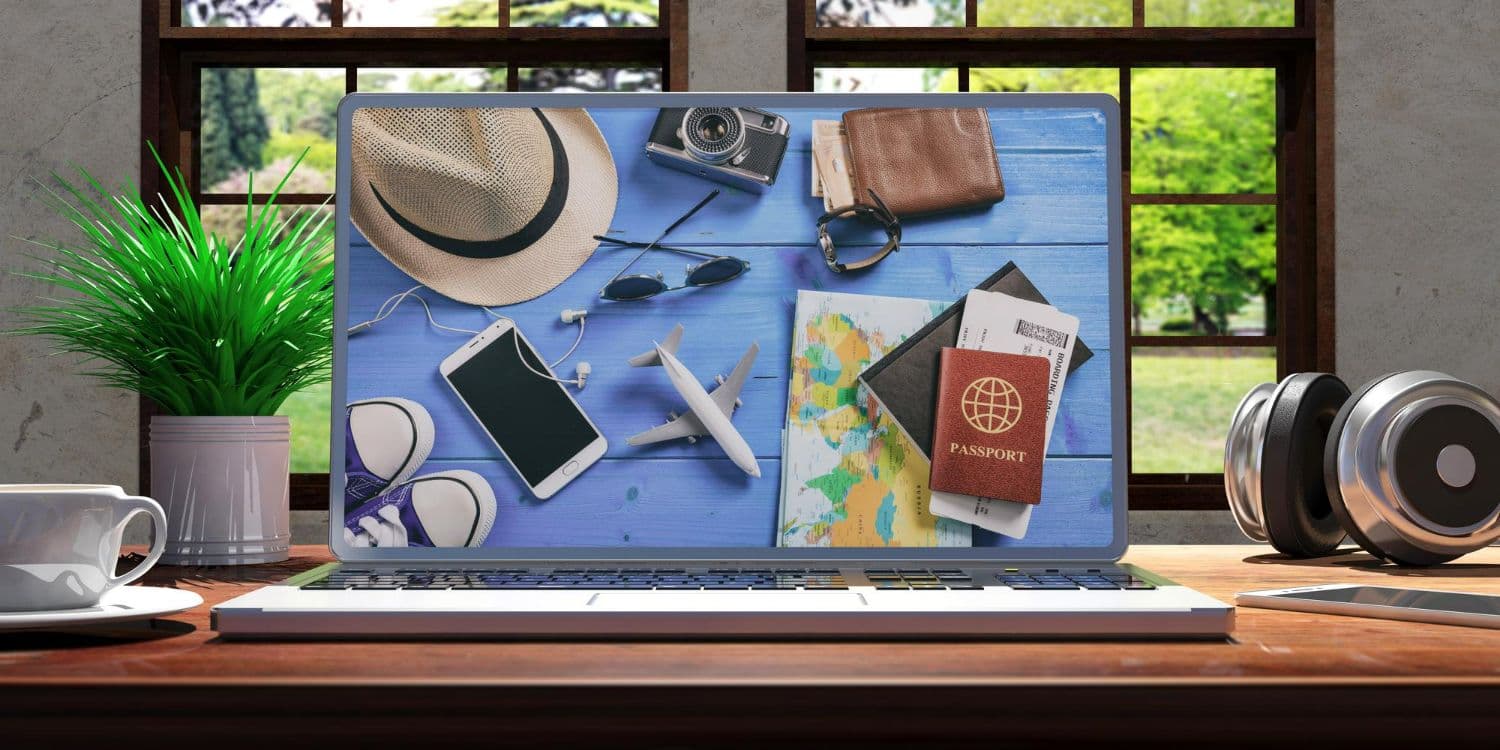
Planning a trip is thrilling. There's something magical about researching new destinations, imagining yourself exploring unfamiliar streets, and counting down the days until departure. But between booking flights and choosing hotels, there's something most of us push to the back of our minds: staying safe while we travel.
I get it. Nobody wants to think about what could go wrong when you're dreaming about what could go right. But here's the thing: being prepared doesn't mean being paranoid. It just means you're setting yourself up to actually enjoy your trip without those nagging worries.
It covers everything from keeping your belongings safe to protecting your digital information. It's the difference between constantly looking over your shoulder and actually being present in the moment.
For me, good travel security means I can wander through a new city, try local food, and take in the sights without that uncomfortable feeling in the pit of my stomach. It's about smart choices before you leave, staying aware while you're there, and knowing what to do if something unexpected happens.
Travel is more accessible than ever, which is wonderful. But it also means new challenges.
Your digital footprint follows you everywhere, which means travel security isn't just about locking your hotel door anymore.
If you're traveling with kids, the concern only grows. You want them safe, and you want their information protected. For young adults heading off on solo adventures, understanding digital threats is essential. Nobody should have to deal with identity theft or compromised accounts while trying to enjoy their vacation.
The foundation of a secure trip starts at home, before you've even zipped up your suitcase.
I always research my destination first. What's the general safety situation? Are there neighborhoods to avoid? What's the local political climate? The U.S. Department of State has travel advisories that are incredibly helpful for this.
Understanding local laws and customs matters too. Something perfectly normal at home might be offensive or even illegal elsewhere. A quick search about local etiquette can save you from uncomfortable situations.
When booking accommodations, I look for places with good security features: 24-hour reception, secure entrances, well-lit areas. Reading recent reviews from other travelers gives you real insight into whether a place actually feels safe.
Travel insurance is something I never skip, especially for international trips. It covers medical emergencies, trip cancellations, lost luggage, and more. It's a relatively small cost for enormous peace of mind.
Once you're actually traveling, awareness becomes your best tool.
I try to stay conscious of my surroundings. Walking alone at night in unfamiliar areas isn't wise. On public transport, I keep valuables close and secure. I don't flash expensive jewelry or electronics around. My bag of choice is a cross-body style that I keep in front of me in crowds.
In hotel rooms, I always use the safe for passports, extra cash, and important documents. When getting around, I stick to official taxis or established ride-sharing services. If I'm renting a car, it's from a reputable company, and I make sure I understand local driving rules.
Before leaving home, I share my itinerary with family and keep a list of emergency contacts readily available, including local emergency service numbers for wherever I'm going.
Staying healthy is part of staying safe. I pack necessary medications, know how to access medical care if needed, and pay attention to food and water safety. The CDC has excellent resources on traveler health that are worth checking out before any trip.

This is where things get really important, and honestly, where a lot of us miss potential risks.
That means others can potentially see what you're doing online. I avoid accessing sensitive accounts like banking or email when I'm on public networks.
Before traveling, I make sure all my devices are password protected and running the latest security updates. If something gets lost or stolen, I want to know my information is protected.
I always back up important files and photos to cloud storage or an external drive before and during trips. Losing vacation photos would be heartbreaking.
Here's where I've found something that genuinely makes a difference: VLE Mobile has built serious digital protection directly into their service. Every single plan includes Aura's protection services at no extra cost. When I first learned about this, I was genuinely surprised because most carriers either don't offer this kind of protection or charge separately for much less comprehensive coverage.
While you're exploring a new city or using cafe Wi-Fi, Aura monitors the dark web for any signs your personal information has been compromised. They watch your credit across all three major bureaus, which is crucial for catching fraudulent activity while you're away.
The service also includes VPN and antivirus protection, spam call blocking, and parental controls. This means you can safely connect to public Wi-Fi with your VPN active, knowing your data is encrypted. If you're traveling with kids, they can browse safely without running into inappropriate content.
What really stands out is how VLE Mobile handles family protection. Their family plans cover up to 10 adults and unlimited children under one security plan. Whether it's your college student studying abroad or your parents joining you on vacation, everyone's digital safety is covered as part of the service. It's refreshing to see a mobile carrier that treats customer digital safety as seriously as connectivity.
Their prepaid approach means you're never locked in, and many plans include features like unlimited data carryover, so you never lose what you've paid for. Some plans even include free roaming in 80 countries with no speed reduction, which is incredibly valuable if you travel internationally.
Managing finances securely is essential while traveling.
I always notify my bank and credit card companies about my travel dates and destinations before leaving. This prevents them from freezing your cards when they see charges from unfamiliar locations.
I never rely on just one payment method. I carry multiple credit cards, a debit card, and some local currency. If one card is compromised or lost, I have backups ready.
When withdrawing cash, I stick to ATMs inside banks or reputable establishments, and I always cover the keypad when entering my PIN. I avoid carrying large amounts of cash, preferring to withdraw smaller amounts as needed.
Even with careful preparation, unexpected things happen. Knowing how to respond makes all the difference.
If your passport is lost or stolen, report it to local police immediately, then contact your country's embassy or consulate. They can help you get emergency travel documents.
For lost or stolen wallets or cards, contact your bank and credit card companies right away to cancel everything. Services like Aura's credit monitoring can alert you quickly to suspicious activity.
In medical emergencies, seek local care first, then contact your travel insurance provider for guidance on billing or reimbursement.
If you suspect your online accounts have been compromised, change passwords immediately. Early warning systems like dark web monitoring can give you a heads up before major damage occurs.
Travel security isn't about being fearful. It's about being prepared so you can actually enjoy yourself. It's about having the tools and knowledge to explore confidently, focusing on the experiences you came for rather than potential problems.
When comprehensive protection is built right into your plan rather than being an expensive add-on, it removes one major source of travel stress. You can focus on the adventure, the culture, the memories you're creating, rather than constantly worrying about your online safety.
Because at the end of the day, travel is about freedom, discovery, and connection. The right preparation and tools let you embrace all of that fully, without the weight of unnecessary worry holding you back.
Stay informed about mobile technology and digital security.


Stay updated with our latest news and offers!