We're currently upgrading our system, checkout will be back soon.

U
By Katy Samuels



We all live so much of our lives online now. Banking, shopping, staying connected with friends and family. It's incredibly convenient, but it also opens the door to a very real problem: identity theft. I won't sugarcoat it. This is something that can happen to anyone, and the impact goes far beyond just losing some money.
Think about your daily routine. Every time you check your bank balance on your phone, buy something online, or even post a family photo, you're sharing pieces of your personal information. For most of us juggling work, family, and everything else life throws at us, the thought of someone stealing our identity feels like a distant worry until it's not. It's not just the financial hit that hurts. It's the hours and hours spent trying to fix everything, the emotional exhaustion, and that unsettling feeling that someone has invaded your private life.
I want to share some practical steps you can take to protect yourself and your family. No complicated jargon, no scare tactics. Just straightforward advice that actually works.
At its core, identity theft happens when someone uses your personal information without permission to commit fraud. This could mean opening credit cards in your name, filing fake tax returns, draining your bank account, or even using your medical insurance. It's like someone making a copy of your house key and helping themselves to everything inside.
The Federal Trade Commission gets millions of reports about fraud and identity theft every year. This isn't some rare occurrence that only happens to other people. It's widespread, and the consequences can be devastating. Imagine waking up to find charges you never made, being denied a loan because your credit is suddenly terrible, or spending months trying to prove you are who you say you are. Recovery can take years in some cases.
That's why being proactive matters so much.
I know you've heard this a million times, but it bears repeating because it's that important. Weak passwords are like leaving your front door wide open. Stop using simple passwords or the same password everywhere.
Instead, create passwords that are long and complex, mixing letters, numbers, and symbols. Better yet, use a password manager. These tools generate strong passwords for you and remember them so you don't have to. You only need to remember one master password to access everything else.
Here's another layer of protection that's absolutely essential: multi-factor authentication. After you type in your password, you'll need to provide something else to prove it's really you, like a code texted to your phone or your fingerprint. It's an extra step, yes, but it dramatically reduces the chances of someone breaking into your accounts. Most major services offer this feature for email, banking, social media, and shopping sites. Turn it on everywhere you can.
Social media is wonderful for staying connected, but every post can potentially give identity thieves information they can use against you. That photo of your boarding pass? It contains more personal data than you might think. Your new driver's license photo? Same thing. Even seemingly innocent posts about your child's first day at school can reveal names, locations, and other details that criminals can piece together.
I'm not saying you should stop using social media. Just be more thoughtful about what you share and who can see it. Check your privacy settings on every platform and limit who has access to your posts. Be especially careful with those personality quizzes that ask for information like your mother's maiden name or your first pet. These are common security questions, and you're essentially handing criminals the answers.
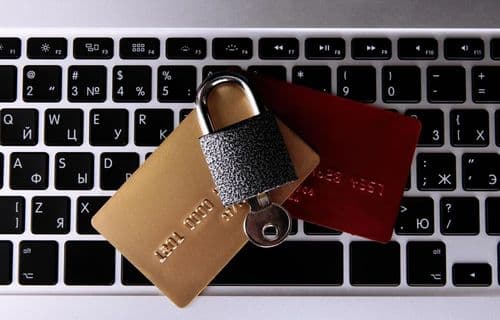
This is one habit that pays off tremendously. Check your bank and credit card statements regularly. I make it a point to look at mine at least weekly. Scan for any transactions you don't recognize, even small ones. Thieves sometimes make tiny test purchases to see if an account is active before hitting it hard.
You're also entitled to a free credit report from each of the three major credit bureaus once a year through AnnualCreditReport.com. I recommend spacing these out so you can check your credit every four months throughout the year without paying anything. Look for accounts you didn't open or credit inquiries you didn't authorize. Catching these early can save you enormous headaches later.
Phishing remains one of the most common ways thieves steal information, and these scams keep getting more sophisticated. These are the emails, texts, or phone calls that pretend to be from your bank, a shipping company, or even the government. They create urgency, claiming there's a problem with your account or a suspicious login, all designed to make you panic and click a link or share personal details.
My personal rule: if something feels even slightly off, don't click any links in the message. Instead, go directly to the company's website yourself by typing the address or using a bookmark you trust. If it's a phone call, hang up and call the company back using a number from their official website, not whatever number the caller gave you. Real organizations rarely ask for sensitive information like your social security number through email or unsolicited calls.
Your phone, tablet, and computer hold the keys to your entire digital life. Keep them protected. Always install updates for your operating system and apps. These updates often include crucial security fixes that protect against new threats.
Use reputable antivirus software on all your devices. Be cautious with public Wi-Fi networks at coffee shops, airports, or hotels. These networks are often unsecured, making it easier for criminals to intercept what you're doing online. If you must use public Wi-Fi, avoid accessing sensitive accounts like your bank. A Virtual Private Network, or VPN, encrypts your internet traffic and creates a secure connection even on public networks. It's one of the best tools you can use for online privacy.
Now, here's where things get interesting. Protecting yourself from identity theft usually means juggling multiple services and subscriptions. You might have your phone plan with one company, a separate identity monitoring service with another, maybe a VPN subscription, and so on. It gets expensive fast, and keeping track of everything becomes its own hassle.
Every plan, from the most basic to the premium options, includes Aura-powered identity protection at no additional cost. There's no upsell, no separate bill, no added complexity.
Let me be clear about what that means. Aura's service is consistently ranked as the top identity theft protection platform in the industry. If you purchased this level of protection separately, you'd typically pay somewhere between $15 to $30 per month depending on the plan. With VLE Mobile, it's included. This isn't a watered-down version either. You're getting the full suite of protection features that Aura is known for.
The coverage is genuinely comprehensive. Aura actively monitors the dark web, those hidden corners of the internet where stolen personal information gets traded and sold. If your data appears there, you get an immediate alert so you can take action quickly. It also provides credit monitoring across all three major credit bureaus, watching for any suspicious activity that could indicate someone is trying to open accounts in your name.
One of the standout features is the identity theft insurance.
Think about that for a moment. If you do become a victim, you have substantial financial protection to help cover losses and recovery expenses. That's an incredibly high level of security that most standalone services don't even come close to matching.
The protection extends to your devices too. You get VPN service to encrypt your internet connection and keep your online activity private, especially important when using public Wi-Fi. There's also antivirus protection included to defend against malware and other digital threats.
For anyone tired of spam calls, and honestly, who isn't, the service includes spam call blocking to filter out those annoying and potentially dangerous calls. Plus, there are parental controls if you have kids, giving you tools to manage their online activity, filter content, and set screen time limits.
What really stands out for families is how the protection scales. With a family plan, you can protect up to 10 adults and unlimited children under a single subscription. That level of coverage for an entire household would cost hundreds of dollars per month if you tried to piece it together from separate services. Here, it's just part of your phone plan.
Their multinetwork plans give you access to all three major networks in the United States, switching automatically to give you the best coverage wherever you are. You get free international roaming in over 80 countries with your regular plan, unlimited data rollover so you never lose what you've paid for, and no contracts locking you in.
The pricing is surprisingly competitive too. Plans start at $25 per month, which is already in line with other prepaid carriers, but you're getting exponentially more value when you factor in the included security features. When you compare what you're actually getting, the protection alone represents $50 or more per month in added value that you'd have to pay for elsewhere.
In today's world, digital security isn't something you can afford to ignore or put off. Identity theft is too common, and the damage it causes is too severe. The good news is that protecting yourself doesn't have to be overwhelming or expensive.
Start with the basics I've outlined: strong passwords, multi-factor authentication, being careful about what you share online, monitoring your accounts, staying alert to scams, and securing your devices. These habits will go a long way in keeping you safe.
There's something to be said for simplicity and peace of mind. Instead of worrying about whether you've covered all your bases or managing multiple subscriptions, you have comprehensive protection working in the background while you focus on everything else in your life.
Your digital life and your family's security are worth protecting properly. The question isn't whether you need this level of protection. The question is whether you want to piece it together yourself from multiple services or get it all in one place with VLE Mobile. When you look at what's included and the value you're getting, especially for families, the answer becomes pretty clear.
Take a moment today to assess where you stand with your digital security. Make those password changes, turn on multi-factor authentication, and consider whether your current setup truly has you covered. Because in a world where identity theft affects millions of people every year, having the right protection isn't just smart. It's essential.
Stay informed about mobile technology and digital security.


Stay updated with our latest news and offers!