We're currently upgrading our system, checkout will be back soon.

U
By Thomas Franco


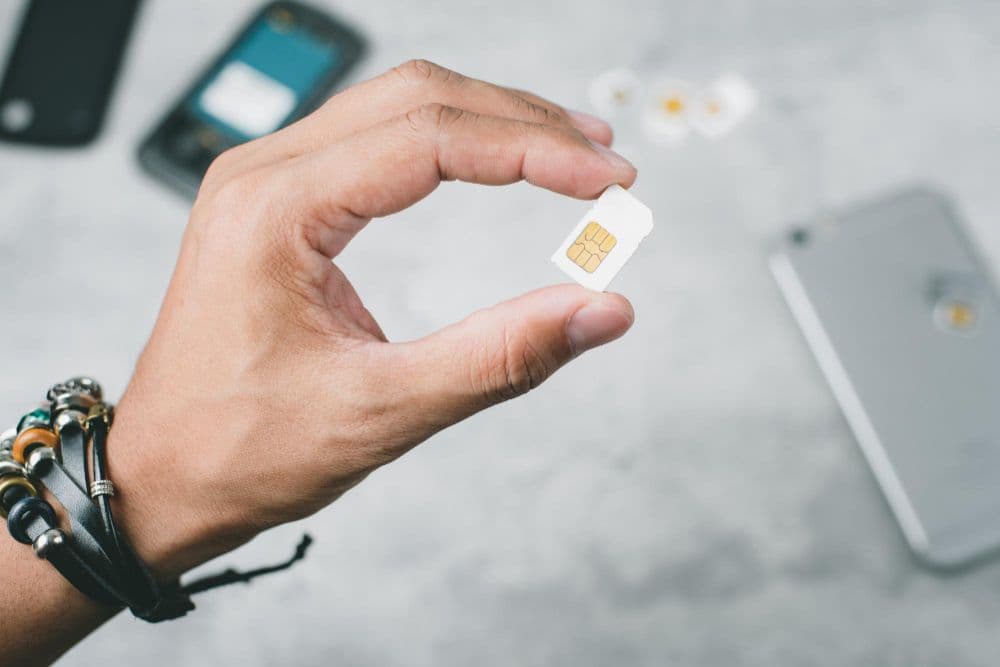
You know that tiny chip that connects your phone to the world? Whether it's a plastic card you slide into a tray or something already built into your device, it's what keeps your calls coming through and your texts flowing. Let's talk about these two options and figure out which one makes sense for your life.
A SIM (Subscriber Identity Module) is basically your phone's ID card for the mobile network. It stores your subscriber information and authenticates you on the network. Without it, your phone can't make calls or use mobile data. Pretty important stuff.
For years, we've used physical SIM cards. You open a little tray, pop in the card, and you're good to go. But now there's something called an eSIM (embedded SIM) that's built right into your phone. No physical card needed. Technology keeps moving forward, and this is one of those changes that's actually making things simpler.
Physical SIMs have been around forever in tech terms. They've gotten smaller over time, from mini to micro to the nano SIM most phones use today. They're familiar, and that counts for something.
Most people understand how physical SIMs work, and practically every phone has a slot for one. If you switch phones often or juggle multiple devices, you can just move the card from one phone to another. No apps to download or codes to scan.
When traveling, you can pick up a local SIM card in another country to get cheaper rates, though this is becoming less necessary with newer options available.
Here's the thing though: these cards are tiny. Really tiny. They get lost. They get damaged. And even though they're small, they take up space inside your phone that could be used for other things like a bigger battery.
If you want two phone numbers on one device, like keeping work and personal separate, you usually need a phone with two SIM slots. Not every phone has that.

An eSIM is soldered right onto your phone's circuit board. Instead of swapping physical cards, you activate service through software. It's all digital.
The convenience is hard to beat. No tiny cards to keep track of, no worrying about losing that little tray tool. Activating a new plan usually means scanning a QR code or typing in an activation code. That's it.
Having two phone numbers on one device becomes incredibly easy. Many phones now support an eSIM plus a physical SIM, or even multiple eSIM profiles. This means you could have your main number for everyday use and add another line for international travel without carrying two phones.
Security gets a boost too. Without a physical card to remove, it's harder for someone who steals your phone to quickly disconnect your service. Phones can also be built more resistant to water and dust without that extra opening for a SIM tray.
And honestly, using less plastic is a small win for the environment.
Not every phone supports eSIM yet, especially older models. This is changing fast with newer phones, but it's worth checking if your current device has it.
Moving to a new phone might require contacting customer support or using your carrier's app instead of just popping out a card. Most carriers are making this smoother, but it's an extra step.
Some people find the whole digital concept less straightforward than holding an actual card in their hand. That's fair.
Think about how you actually use your phone:
Here's something worth considering: online threats are real. Identity theft, data breaches, financial fraud. These aren't just statistics, they're things that happen to real people every day.
Most mobile carriers treat security as an add-on that costs extra. But think about what you're actually getting. Some charge $10 or more monthly for basic identity monitoring that barely scratches the surface. Meanwhile, the threats keep evolving.
VLE Mobile takes a different approach by including comprehensive digital security with every plan. We're talking about protection powered by Aura, the industry leader rated #1 for identity theft protection. This includes monitoring the dark web for your personal information, watching all three credit bureaus for suspicious activity, providing VPN and antivirus for all your devices, blocking spam calls, and offering parental controls for family safety.
Our plans start at $25 monthly with unlimited data rollover and no contracts. If you have a family, one plan covers up to 10 adults and unlimited children with Complete Family protection that includes $5 million in identity theft insurance per adult. Compare that to buying separate security services, which could easily cost $30–50 monthly on top of your phone bill.
We also offer triple network access, meaning your phone automatically switches between the best available signal from major networks. And if you travel, free data roaming in over 80 countries is included, not charged as an extra fee.
More devices are adding eSIM capability every year. Phones, tablets, even smartwatches. It's becoming standard rather than special. The technology is maturing, and the process of switching or activating is getting simpler.
Whether you stick with a physical SIM for now or jump into eSIM, what matters most is that your service actually works when you need it and keeps you protected from the digital threats that are only growing more sophisticated.
At the end of the day, your phone is how you stay connected to the people and things that matter.
When these things work together seamlessly, you can focus on your life instead of your phone plan.
VLE Mobile brings all of this together in one straightforward package. Whether you prefer eSIM or physical SIM, we've got both options covered with the connectivity and protection you need.
Stay informed about mobile technology and digital security.


Stay updated with our latest news and offers!